Memorandum
Subject: The Legacy of the Commandos
To: All Readers and Interested Parties
From: Greg Smith, Author
Date: 6 MAY 2026
BACKGROUND:
From the time that Adolph Hitler assumed total control over Germany and declared himself Fuhrer (Leader) and Reichskanzeler (Chancellor of the Reich) in 1934, he set his sights on consolidating his power and expanding German control. His consolidation began immediately upon the death of President Paul von Hindenburg, when Hitler assumed the role of President and eliminated opposition parties. He further consolidated power by orchestrating the murder of his former allies whom he thought might be a threat to his power during the “Night of the Long Knives.”
Hitler then began his plan for retrieval of lands he believed were lost through subterfuge in World War I. He ignored the limitations of the Treaty of Versailles and began a military rebuilding campaign. European powers failed to rise to the occasion, so he sent troops to reoccupy the Rhineland in direct violation of treaty terms. He also sent troops to support Franco in the Spanish Civil War, using that to train his military leaders and test new weapons. By mid-1938, he had achieved alliances with both Italy and Japan and brought Austria into the German sphere through the Anschluss.
Other European nations finally began to take notice and understand the danger of Hitler’s Germany. Hitler made motions to forcibly take over the Sudetenland, a region of predominantly ethnic Germans on the border with Czechoslovakia. Rather than accept another armed conflict, Prime Minister Neville Chamberlain travelled to Munich to negotiate peace. The negotiations did not include Czech officials and resulted in an act of appeasement that delivered the Sudetenland to Hitler in exchange for peace. Chamberlain returned to England, convinced he had averted war. He famously held aloft the signed treaty and declared “Peace in our time.”
The peace would not last, despite assurances of politicians. During the summer of 1939, Germany initiated a campaign of deception and misinformation against neighboring Poland. German operatives of the Abwehr (Intelligence service) and Schutzstaffel (SS) staged incidents to discredit Poland and try to establish that Poland was conducting a campaign of provocation against Germany. These “false flag” operations culminated on August 31. That night, German SS soldiers, dressed as Polish insurgents, stormed a radio station in Gleiwitz, along the border. The SS soldiers seized the transmitter and broadcast that the station was now in Polish hands.
Within hours, other German radio stations broadcast news of the attack. Official news reports indicated that German authorities responded and after a brief firefight, regained control over the radio station. European reporting initially mimicked the German news reports. The evidence of the battle included one dead person dressed in a Polish army uniform. The dead man was later discovered to be the body of a local farmer arrested by the SS days earlier.
The false flag operation served as pretext for the German invasion of Poland on September 1, 1939. Within days, both France and England honored their treaties with Poland and declared war on Germany. After years of wrangling, coercion, and negotiation, the Second World War began. Though they fought hard and valiantly, the Poles were quickly overwhelmed. The battle barely lasted a month, not enough time for France and England to complete their mobilizations and provide relief.
The German armed forces in 1939 were a shadow of what they would later become. Despite their vulnerabilities, they were still more determined and capable than the combined forces of France and England. From October 1939 until May 1940, a fragile stalemate, called the Phony War settled over Europe. In May, Hitler invaded the low countries (Belgium, Luxembourg, the Netherlands) and France, once again overwhelming the defenders through a new combination of speed, agility, flexibility, and combined arms known as Blitzkrieg.
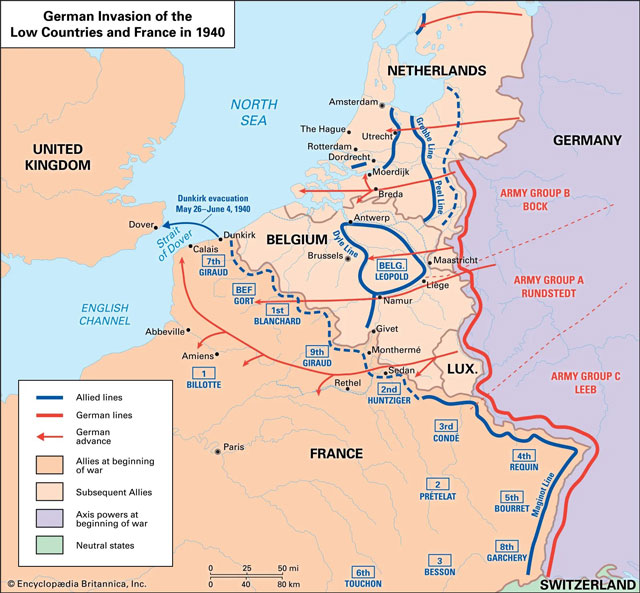
By the end of May, France had been almost totally defeated, and the British Expeditionary Force was trapped in Dunkirk. Only through a miraculous effort on the part of the British and an inexplicable delay by the German forces were some two hundred thousand British troops rescued from annihilation during Operation Dynamo. Still, the British and French were utterly defeated and embarrassed.
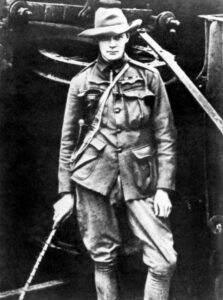
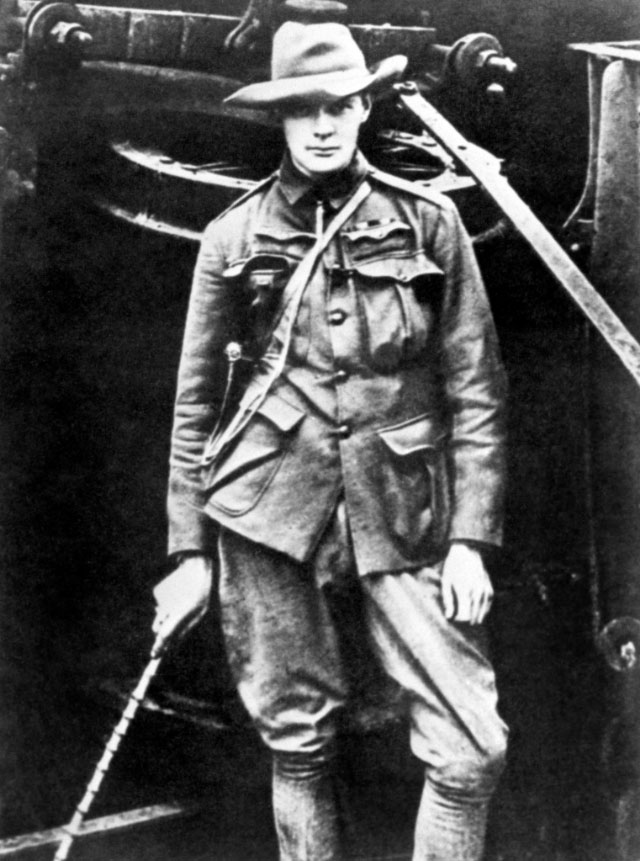
England replaced Chamberlain with Winston Churchill, who was a notorious hawk on Hitler. Churchill realized the predicament, that England now stood alone, ill-equipped against invasion, and standing against an army that had barely been slowed, much less stopped. He pushed back against ministers who wanted to negotiate a peace with Hitler. He encouraged the British people through fiery and emphatic speeches while also pushing for rapid rearmament. Churchill needed a new solution, a way to slow, hamper, and terrorize the enemy. He reflected on his time as a correspondent during the Boer War in South Africa, drawing inspiration from the Boers, who used small groups to conduct fast striking raids on British positions. With England still reeling from the evacuation of Dunkirk, Churchill issued a call for volunteers to join a commando force to “set Europe ablaze.”
INTELLIGENCE ASSESSMENTS:
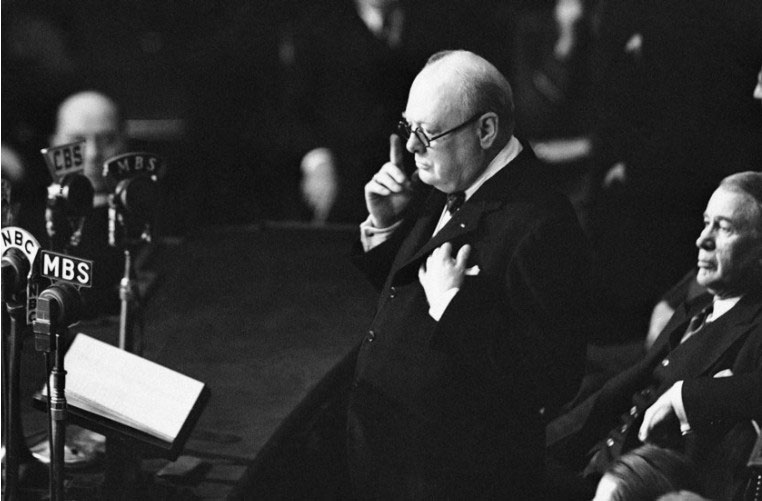
The summer of 1940 was a bleak period in England. Norway and Denmark were under German rule, as were Belgium and the low countries. France, believed to have the best equipped and largest army in Europe, fell in just six weeks. The British Expeditionary Force (BEF) lost nearly one hundred thousand troops during the battle for France. The retreat and evacuation meant the loss of all their equipment, weapons, tanks, and vehicles. The German army appeared invincible and unstoppable. Ministers pressed Churchill to sue for peace. Instead, he famously gave a speech in which he declared “We shall fight on the beaches, we shall fight on the landing grounds, we shall fight in the fields and in the streets, we shall fight in the hills; we shall never surrender.”
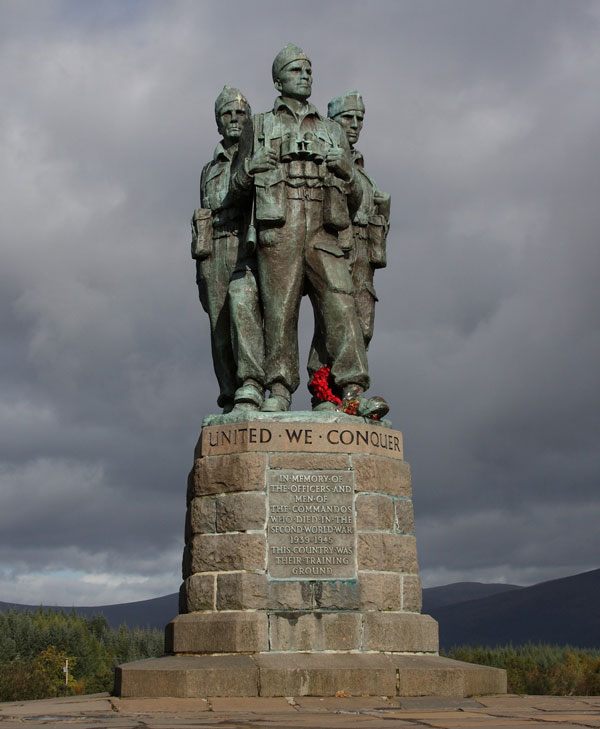
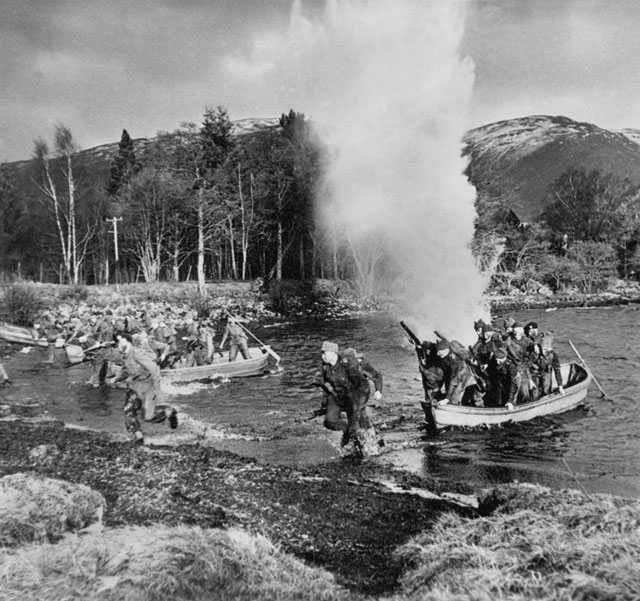
The commandos drew volunteers from across the British army and were initially divided into twelve companies and six battalions. The volunteers trained for interdiction, sabotage, and fast-strike attacks behind the lines. Churchill wanted the raiders to inflict casualties, harass the enemy, and “set Europe ablaze.” Throughout the war, the success of the commandos led to the formation of more than thirty additional commando units. The commando force included specialized formations for work in such extreme conditions as the desert of the middle east, tropical jungles, and even the arctic.
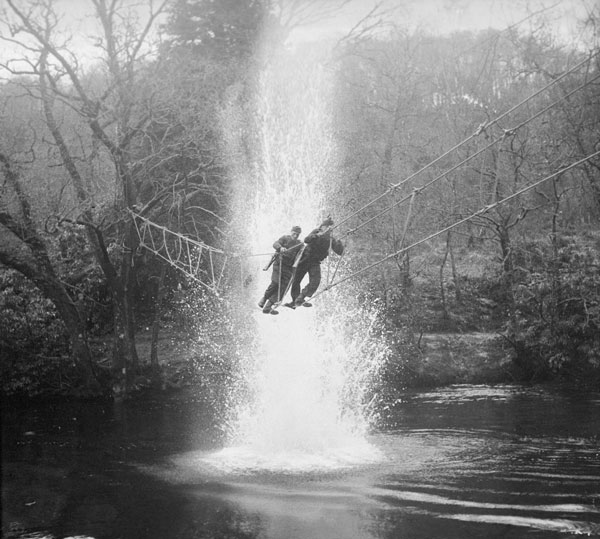
The commando force had an inauspicious start, with raids on the occupied channel island of Gurnsey and small landings on the coast of France. Neither raid resulted in much but served as vital training and experience for the future. Within a year, the commandos were venturing to Norway to attack German installations. Operation Claymore, in June 1941, resulted in the destruction of six fish oil factories (used for explosives), five enemy ships sunk, and three hundred Norwegian captives freed with no British casualties. The commando idea had indeed proven its worth.
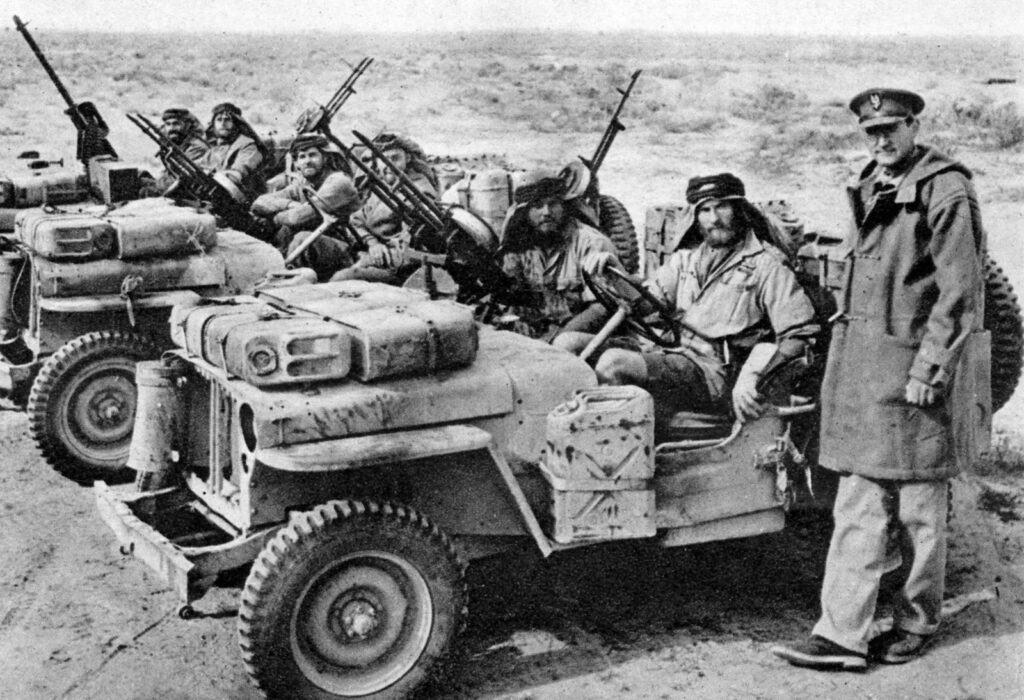
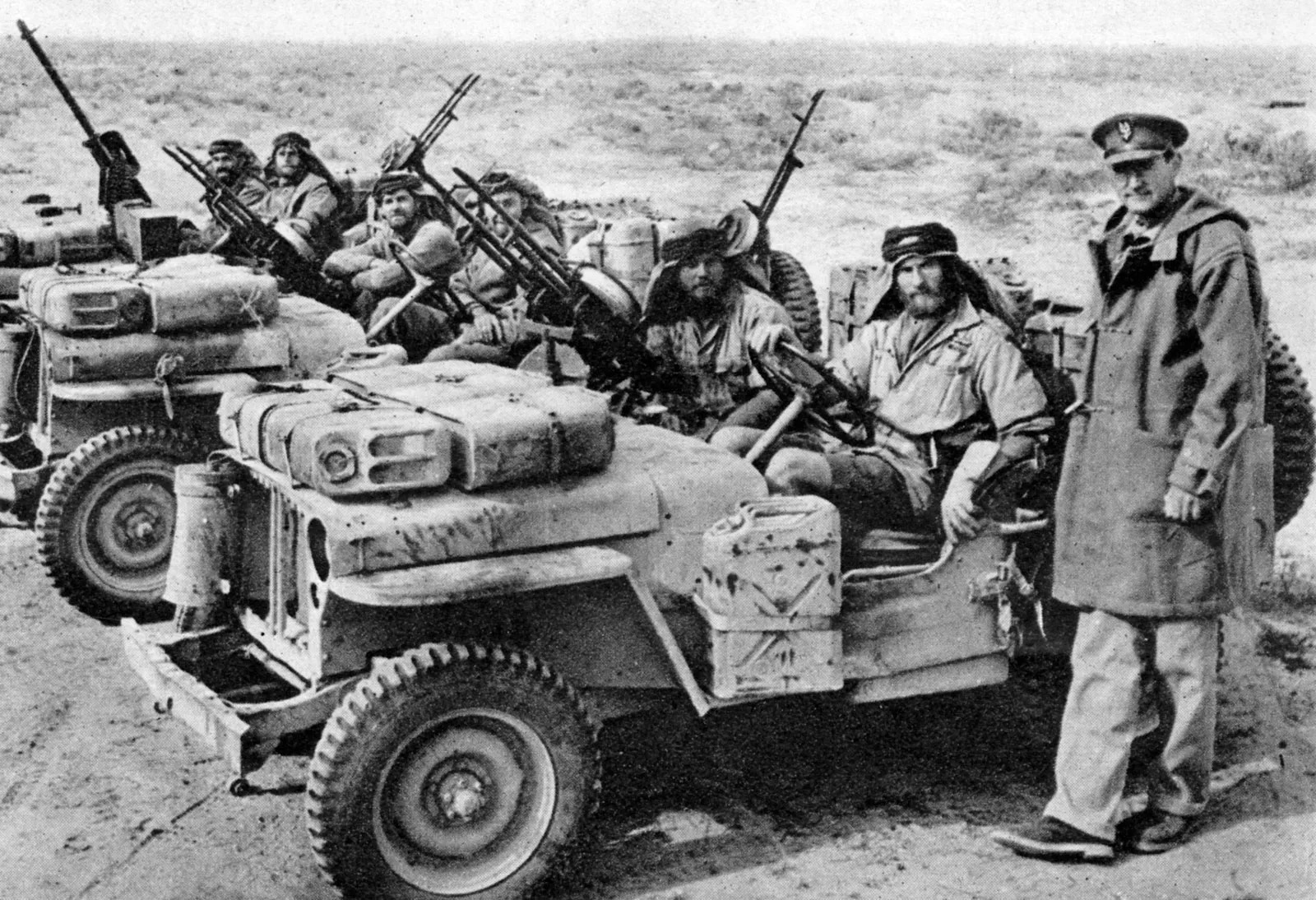
In North Africa, the commandos morphed into the Long-Range Desert Patrol, which later became the Special Air Service (SAS). The small force conducted fast strikes far behind enemy lines, hitting ammunition dumps, fuel storage facilities, and even attempting to kidnap or assassinate German General Erwin Rommel on at least one occasion.
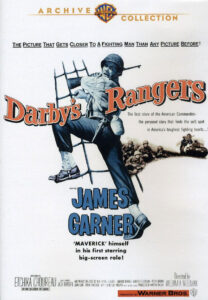
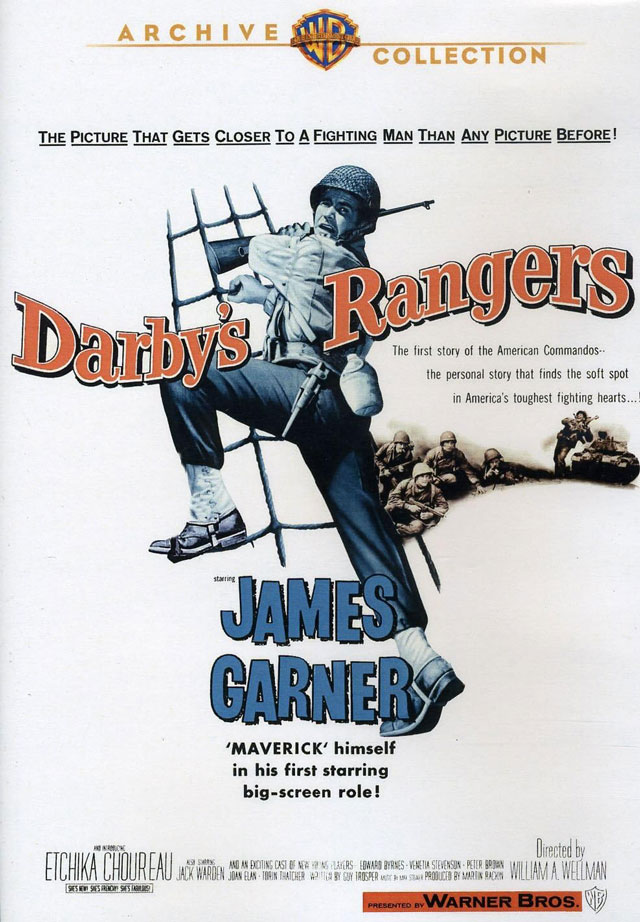
The British expanded the concept of irregular forces to include the Royal Marines, which established the Special Boat Service (SBS) and Royal Marine Commandos. Soon after joining the war, America began developing their own version of elite, specialized units inspired by the British commandos. Major William Darby conceived the concept of a specialized army unit based on the British concept. The new formation became the 1st Ranger Battalion, colloquially known now as “Darby’s Rangers.” The unit was depicted in a 1958 James Garner film of that name.
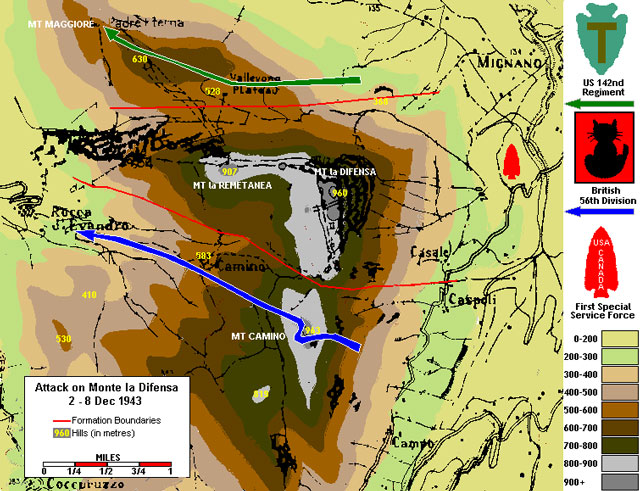
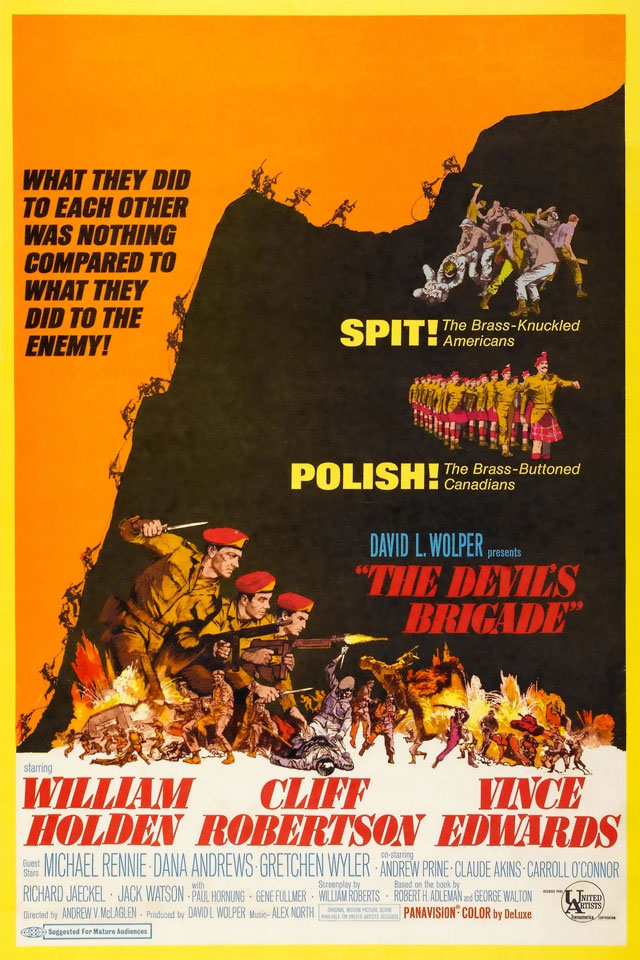
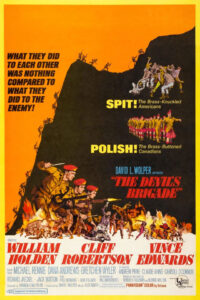 Other specialized units followed suit. The 1st Special Service Force (FSSF) were comprised of men from both the Canadian and American armies. The unit is most known for the capture of La Difensa, a fortified mountain redoubt along the highly defensible Gustav Line that crossed the width of the Italian peninsula. Previous attempts to dislodge German defenders were unsuccessful. The FSSF climbed the sheer face of the mountain fortress and defeated the Germans after a bloody battle in which the FSSF suffered a nearly eight percent casualty rate. The attack served as the inspiration for the 1968 movie, The Devil’s Brigade.
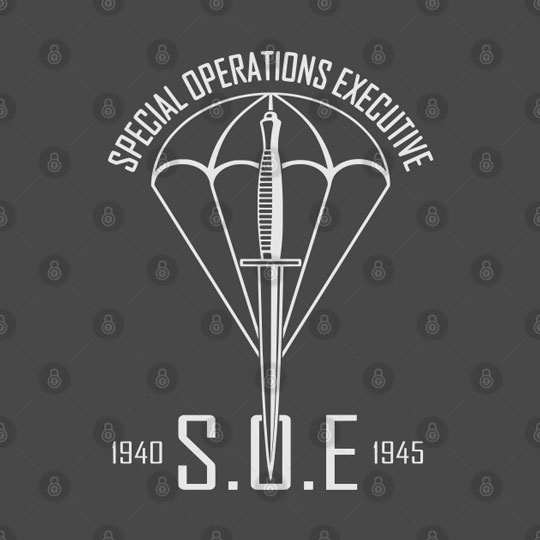
 The success of the commandos also brought the attention of other agencies looking for volunteers to serve behind the lines. Notably, the British developed the Special Operations Executive (SOE) while the US developed the Office of Strategic Services (OSS). The operatives within these two organizations were to go behind the lines, collect intelligence, and establish contact with resistance forces. Later, small teams of SOE and OSS operatives, called the Jedburghs, would drop into occupied France to train, equip, and lead resistance forces in sabotage operations prior to the invasion of Europe.
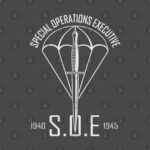 Since the commandos, as well as SOE and OSS operated behind the lines, the casualty rate was enormous. Initially, captured commandos were treated as prisoners of war. In late 1942, Hitler issued a secret order, called the Commando Order (Kommandobefehl), calling for the summary execution of captured commandos and similar special forces. The order was also applied to many who were already in custody, and were summarily executed, though many were sent to concentration camps such as Sachsenhausen and Mauthausen, where they were forced into slave labor.
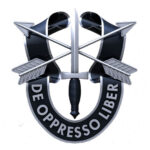
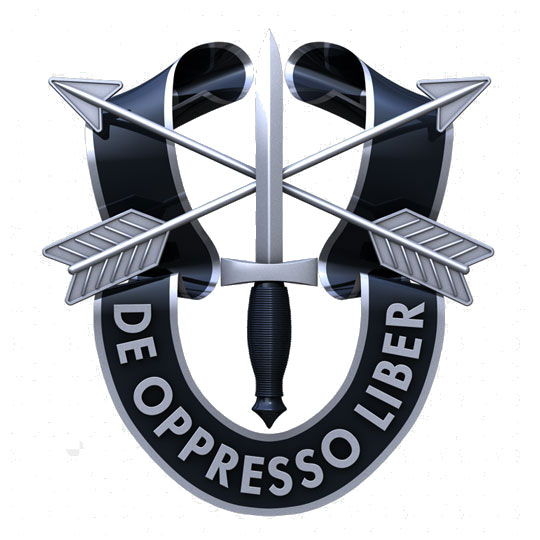
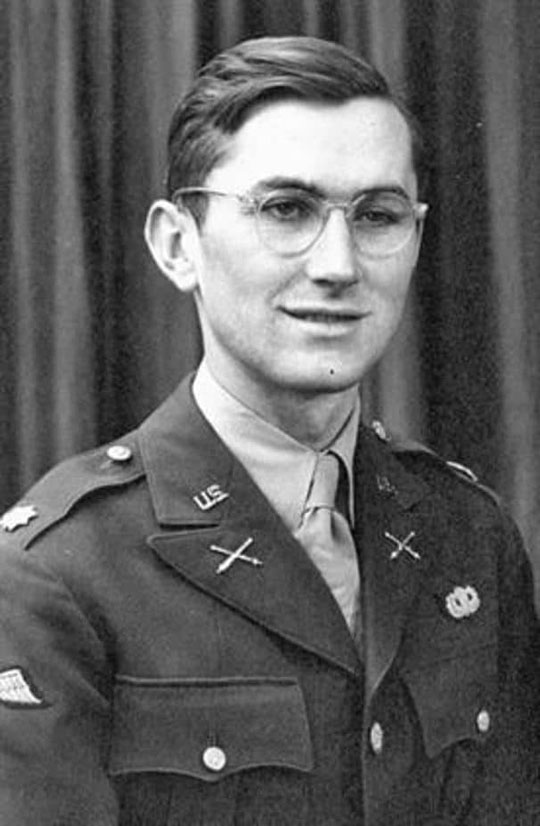
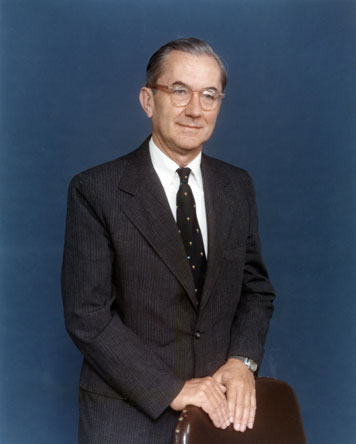
Commandos fought in every theater and in nearly every allied army during WWII. The legacy of the commandos extends to the modern-day Special Forces, Rangers, SAS, SBS, and other specialized units in nearly every standing army. Several of the most highly decorated soldiers of the war were commandos. The SOE and OSS led directly to the development of the CIA and influenced the future of MI5 and MI6 in Great Britain. The future Director of the CIA, William Colby, led a Jedburgh team into France in 1940. Aaron Bank led a team into Germany in 1944 disguised as SS soldiers with the intent to assassinate Hitler. He would go on to establish the 10th Special Forces Group, known now as the Green Berets.
CURRENT OPERATIONS UPDATE:
The stories of the commandos, SAS, SBS, Green Berets, SEALs and others are fodder for my writing. My newest novel, Tommy’s War, is based on true stories of the Commandos and SOE operating behind the lines in WWII. The main character is taken from a real person and provides a heart-pounding thriller of action behind enemy lines prior to D-Day. As a history buff and former soldier, this story speaks to my heart, and I am thrilled to be working on it.
In my upcoming novel Killer’s Reign, the main character is a former Special Forces team leader out for justice. The manuscript has come back from the editor, and I am actively adjusting and completing rewrites. I am very proud of the story and look forward to getting it out to readers this year! Meanwhile, I also continue to work on the rewrite of my novel and screenplay, Sleeper Cell.
COMMUNICATIONS UPDATE:
There is never any shortage of story ideas, news cycles are loaded with intrigue, action, and potential story lines. Aside from current events, there are innumerable stories from prior conflicts that have yet to be told. In Tommy’s War, I am bringing to light some of those stories. Although I write works of fiction, I strive to ensure that the events and characters are plausible and representative of real word events and scenarios.
I recently contributed to The Success Playbook, the fifth in the series and the second that I have contributed to. The initial release is for download on Amazon, paperback and hardcover options will follow shortly. The book includes chapters from several business leaders and coaches and quickly become a best seller. It was the #1 new release and is now #1 in Business Education and #3 in Home-Based Businesses. This book joins the previous release, The Coach’s Playbook, which also achieved best seller status in July 2025.
Check my website regularly for more information about my books and stories, updates on current events, links to other works, and interesting tidbits of intelligence.
https://gregsmithonline.com/
www.linkedin.com/in/gregmsmith17
Stay Alert. Stay Informed. Stay Aware.