Memorandum
Subject: Declaring and Securing Independence
To: All Readers and Interested Parties
From: Greg Smith, Author
Date: 3 JUL 2026
BACKGROUND:
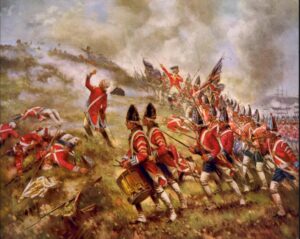
In April 1775, the armed conflict between Great Britain and her American colonies erupted at the battles of Lexington and Concord. What had begun as protests intended to claim their rights as freeborn Englishmen and citizens escalated into revolution. The battle of Bunker Hill demonstrated colonial resolve and gave the colonists the courage to stand and fight the British. A series of skirmishes and smaller battles in the following months encouraged the rebels.
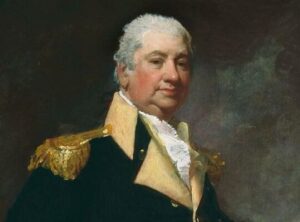
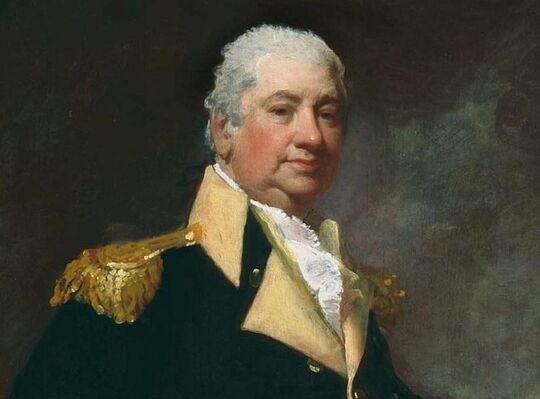
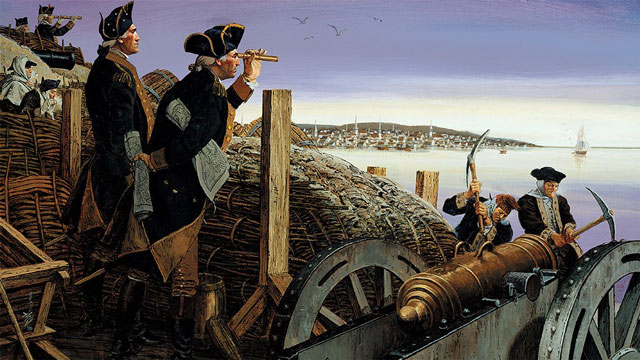
In late 1775, Colonel Henry Knox, a former bookseller with no military background, led an expedition to retrieve cannons from Fort Ticonderoga in northern New York. After months of slogging through deep snow, his force arrived near Boston in February 1776.
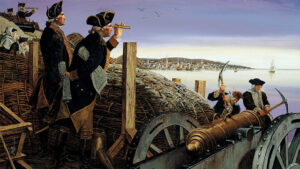
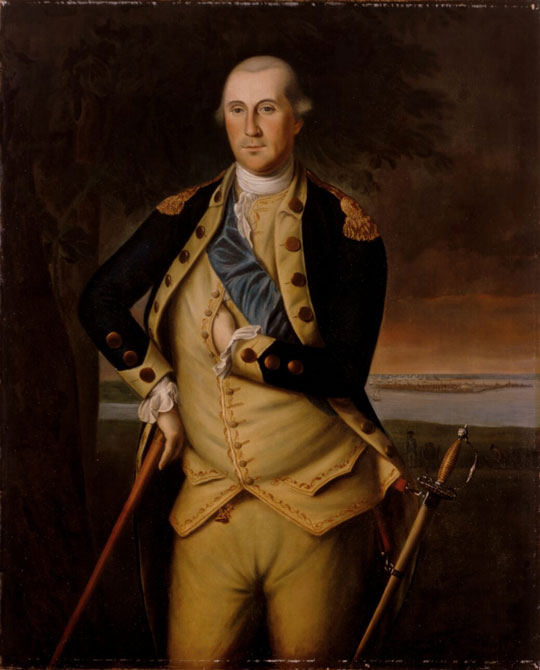
The Continental Army moved the cannons and built defensive walls atop Dorchester Heights, overlooking Boston, completing the installation overnight. Upon seeing the emplacements in the morning, a surprised General Howe supposedly exclaimed “My God, these fellows have done more in one night than I can make my army do in three months.”
The British initially planned an attack on the heights to expel the rebels, but storms precluded an advance. General Howe determined that their withdrawal from Boston, though already intended, was a better course of action. The British ships, loaded with loyalists, furnishings, and all the luxuries they could carry, sailed from Boston on March 17, 1775. The day is now celebrated as Evacuation Day.
With the capture of Boston, morale among the rebels soared. Not only had the British left the city, but they had also left behind a vast store of food, grains, supplies, equipment, lumber, and horses. However, the British had not left vital military equipment or, crucially, gunpowder, which was in short supply in the colonies. It was hailed as a victory over the British, though Washington remarked upon visiting the city, that the defenses were seemingly impregnable. Perhaps he realized the British evacuation was a planned departure. Though the presence of his forces may have accelerated the departure, capturing Boston was far less than a great military victory.
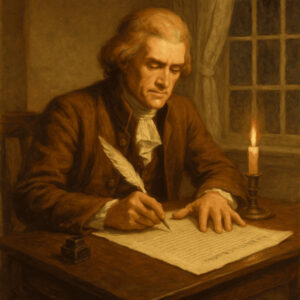
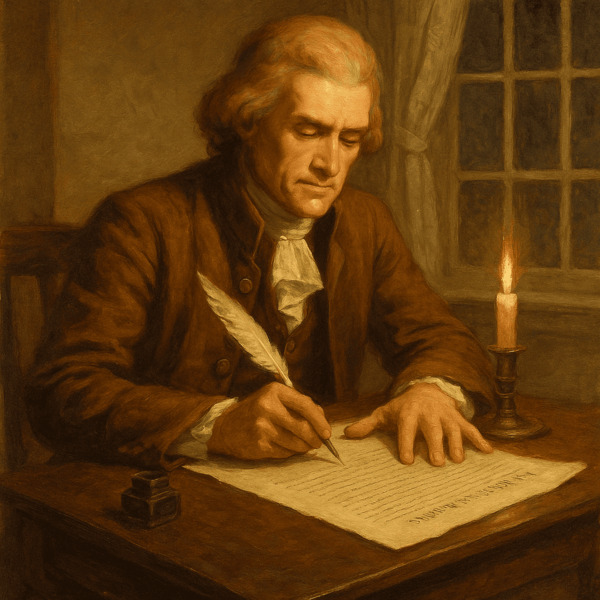
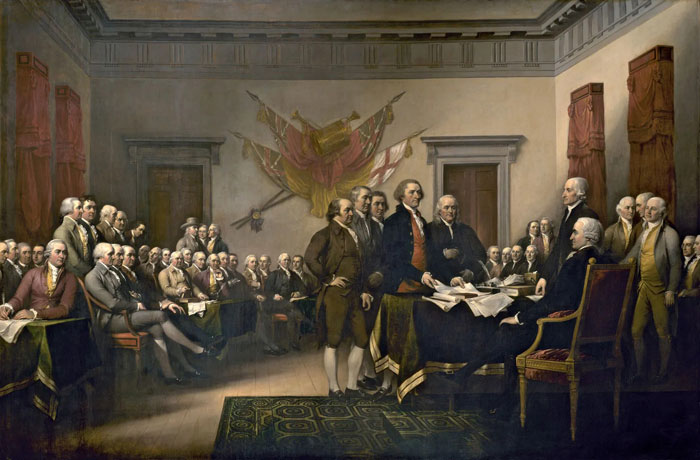
Good news from Boston increased the calls to declare complete independence from the crown. The rebel movement shifted from loyal colonists fighting for their rights as free-born Englishmen to demands for full independence. The feeling soon became groundswell across the colonies, and a committee was established in the Continental Congress to draft a declaration. Thirty-three-year-old Thomas Jefferson, a well-read and well-known author of pamphlets on the role of government, was assigned the task of creating a draft document. Jefferson sought inspiration from a variety of sources, including the Virginia Declaration of Rights, the Magna Carta, and John Locke’s Second Treatise of Government. He sequestered himself in his Philadelphia boarding house in mid-June and delivered a draft to the committee. Several rounds of edits followed before his document was delivered to Congress.
Debate in Congress was heated, lasting more than nine hours on July 1, with some delegates still arguing for reconciliation with Britain. Upon voting, four colonies opposed the resolution, and the Delaware delegation was deadlocked. Only a seventy-mile overnight ride through a rainstorm by Caesar Rodney broke that tie. The Pennsylvania delegates voted in favor of the resolution, despite their own personal oppositions. South Carolina held out but soon realized the importance of a unanimous declaration and switched their support. Finally, the New York delegates, awaiting instruction from their own legislature, joined in support.
The resolution to declare independence was adopted on July 2. The Congress now edited the formal document provided by the committee, revising fully one-third to ensure it represented the full congress. The die was cast and each of the men present understood the ramification of declaring independence. The Americans were no longer merely protesting but actively committing treason against the crown and would be hanged if captured. Moreover, the thirteen colonies, though viewing themselves as independent states, united in common cause to support one another in their fight for freedom.
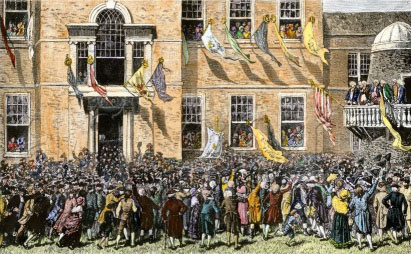
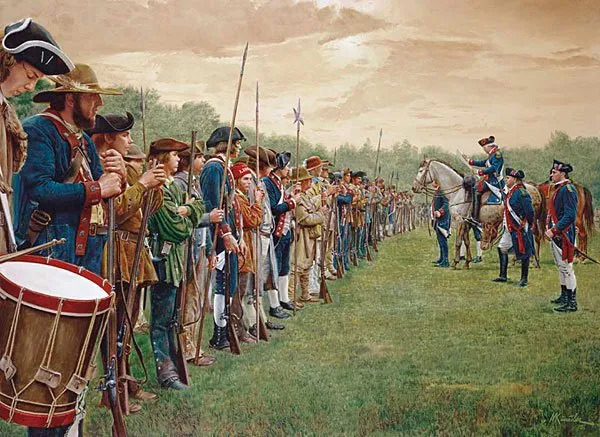
The full text of the Declaration of Independence was adopted on July 4, 1776, and read aloud to enthusiastic crowds. George Washington had the full text read aloud to his soldiers encamped in New York, where he would soon suffer a series of devastating and embarrassing defeats. America had declared its independence, but true independence was still merely the ideal. Many more would die over the next several years before freedom from British rule was secured.
INTELLIGENCE ASSESSMENTS:
The Declaration of Independence is rightly celebrated as the foundational document for the rights of all free people. However, it was merely a document formalizing the dedication of the colonists to secure freedom and independence from overbearing British rule. The signers of the Declaration clearly understood this and knew that they would soon be hanged as traitors if captured. During the debate over the document, John Dickinson, representing Pennsylvania, called the Declaration of Independence “a skiff made of paper.”
Shortly after the signing of the declaration, the Continental Army saw a series of major defeats, withdrawals and desertions. The army was surrounded in New York, and through luck, generalship, and British mistakes, escaped only to begin a long retreat to Pennsylvania. The British held New York and were in position to win the war in short order, especially after capturing General Charles Lee, Washington’s second in command in December. Fearing an attack on Philadelphia, the congress abandoned the city. Miraculously, General Howe, commanding the British forces, decided to send his troops into winter quarters and Washington escaped across the Delaware River with the bulk of his troops.
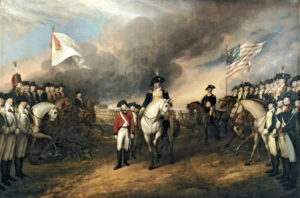
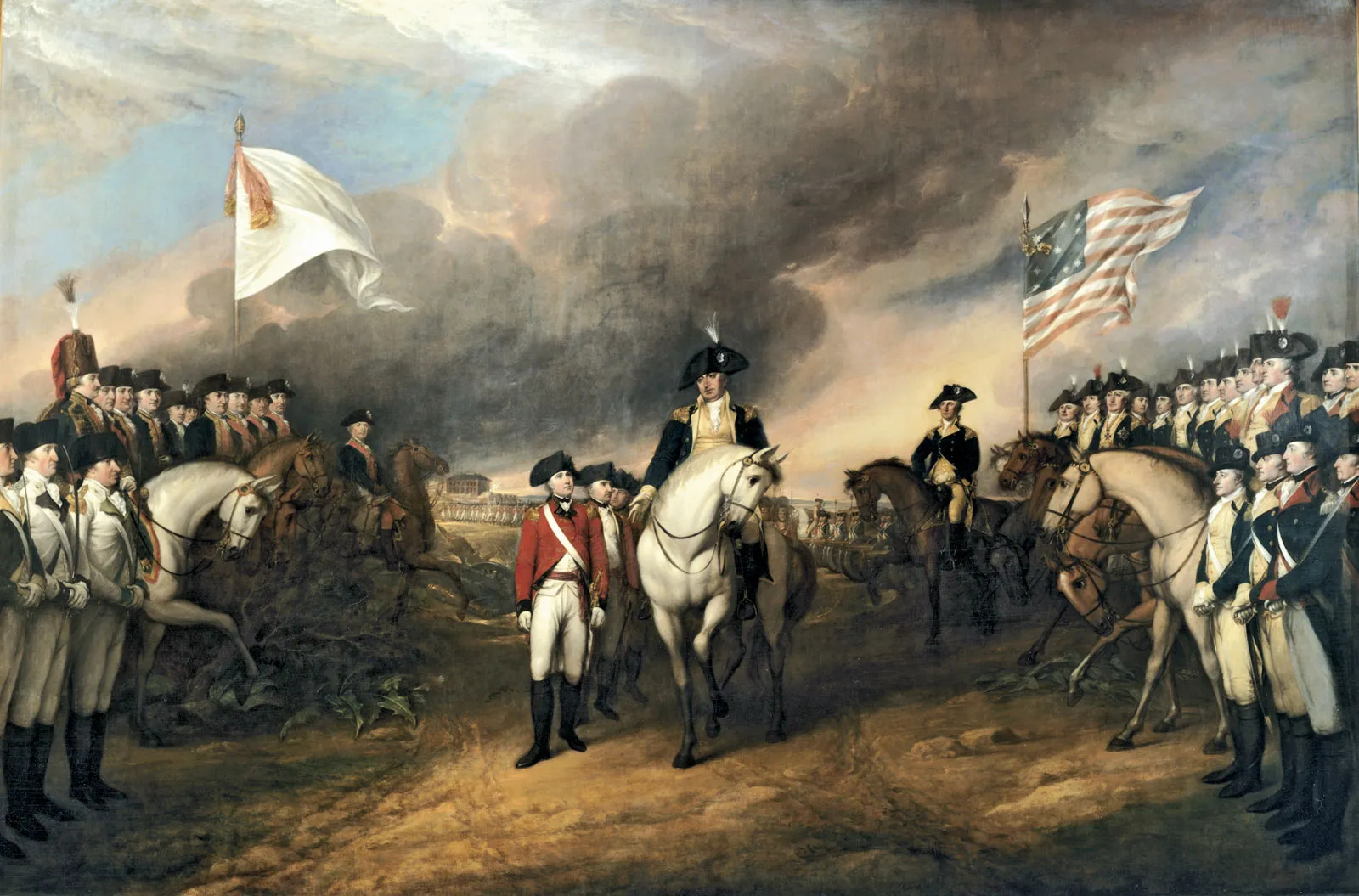
The war continued until the British Parliament and politicians finally saw the futility of continuing. On October 19, 1781, General Cornwallis surrendered at Yorktown, sealing the fate of the British. The siege of Yorktown was the last major land campaign of the war, but it was not until the Treaty of Paris in 1783 that the war finally ended and independence was secured. The thirteen independent colonies had achieved what most thought not only improbable, but seemingly impossible.
The colonies, through their representatives at congress, debated the future of the country throughout the war, sometimes vehemently. They had come together in a common cause to free themselves from British rule, but it was a loose coalition. The states all still saw themselves as independent rather than parts of a single country. Congress adopted the Articles of Confederation in 1777, though it was not fully ratified until 1781. Widely considered the first constitution, the Articles of Confederation defined a weak central government, allocated the power to manage foreign affairs and the post office, and to issue money or bills of credit. The states retained power over their own destiny, including trade and commerce. Congress had little power to raise troops or demand funds from individual states.
The Articles of Confederation were insufficient to manage the interests of the various and disparate interests of the colonies. The document defined a “perpetual union” in a league of friendship. Debate continued over the direction of the country, and over where various powers and responsibilities lay, whether with the states or with the union. The Articles were clear that the states retained their own freedom, sovereignty, and independence, an idea that would come to haunt future generations.
The weakness of the Articles of Confederation was more pronounced during the transition following the war. Congress possessed no power to levy taxes on states, regulate commerce, or mediate disputes between states over territory or trade. States continued to function as individual countries and friendly neighbors rather than as a cohesive country. The disputes led to calls by key figures like Washington, James Madison, and Alexander Hamilton for a full and complete constitution.
The draft document was produced in 1787, and the debate over language, provisions and allocation of power was intense. Those supporting a strong central government (Federalists) sought to retain the bulk of the power within congress. Others, the anti-Federalists, supported the rights of the individuals over that of the government, fearing a return to the tyranny they had fought to escape. Several compromises were made to satisfy both camps, resulting in the Bill of Rights, which were the first ten amendments adopted to the Constitution. Other compromises, especially around slavery, were made to bring southern states into agreement for ratification.
The compromises around slavery were violently tested seventy years later. Although the Constitution created the United States as a cohesive country, there was lingering sentiment that the government held too much power. Southern states tested the idea of states’ rights by seceding from the union in 1861. The Civil War pitted brother against brother, family against family and state against state for four long years.

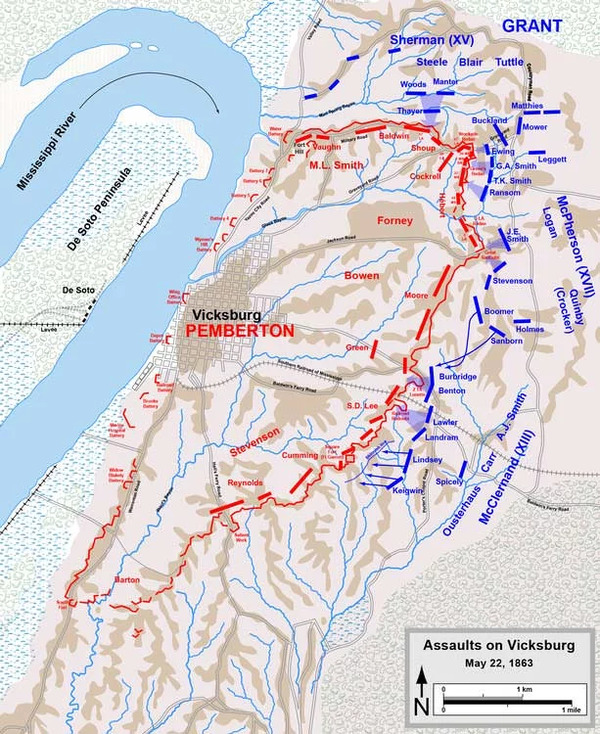
During the first years of the war, the south seemed invincible as the union suffered defeat after defeat from poor generalship and weak field leadership. Calls for a negotiated peace with the Confederacy rocked the halls of Washington, though President Lincoln was steadfast in his determination. It was not until July 1863 that the tide finally turned for the Union. At Vicksburg, Mississippi, Major General Ulysses Grant defeated the Confederate forces of Lieutenant General John Pemberton after a forty-seven-day siege, securing the free navigation of the river all the way to the Gulf. Meanwhile, Union forces under Major General George Meade defeated Confederate forces under General Robert E. Lee at Gettysburg, Pennsylvania. July 1863 was the turning point for the Civil War. Lee had seen a historic defeat, and Lincoln found the general he needed in Grant.
July fourth represents the birth of a nation. July 4th, 1826, saw the death of both John Adams and Thomas Jefferson within hours of each other. July 4th, 1863, secured the blessings of liberty for future generations of Americans. Celebrate the date, but do not lose sight of those who came before. The sentiment immortalized in the Declaration of Independence should resonate now more than ever: “with a firm reliance on the protection of divine Providence, we mutually pledge to each other our Lives, our Fortunes, and our sacred Honor “. Hundreds of thousands, if not millions of Americans gave their lives so that we could live in freedom and celebrate this day. Millions of others around the world merely wish they could enjoy the same freedoms we take for granted.
CURRENT OPERATIONS UPDATE:
The latest revision to Killer’s Reign is complete. My editor made several excellent suggestions and challenged me to refine and revise the story to make it even more impactful. The manuscript continues to get better, and I am excited to get this story out to readers this year! Meanwhile, I also continue to work on the rewrite of my novel and screenplay, Sleeper Cell.
I am also working on my next novel, Tommy’s War, based on the true story of a British Commando operating behind the lines in WWII. I am deep into research, and the biggest issue now is that there are so many excellent and thrilling stories that I must pick and choose which to tell.
COMMUNICATIONS UPDATE:
There is never any shortage of story ideas, news cycles are loaded with intrigue, action, and potential story lines. Current conflicts around the globe, in Iran, Ukraine, Israel, and Africa are rife with stories yet to be told. Although I write works of fiction, I strive to ensure that the events and characters are plausible and representative of real word events and scenarios.
The Success Playbook, the fifth in the series and the second volume that I have contributed to, is now available on Amazon. Signed versions of paperback and hardcover versions are for order by contacting me through my website. The book includes chapters from several business leaders and coaches and quickly became the #1 new release and #1 in Business Education. This book joins the previous release, The Coach’s Playbook, which also achieved best seller status in July 2025.
Check my website regularly for more information about my books and stories, updates on current events, links to other works, and interesting tidbits of intelligence.
https://gregsmithonline.com/
www.linkedin.com/in/gregmsmith17
https://www.amazon.com/author/gregmsmith
Stay Alert. Stay Informed. Stay Aware.