Memorandum
Subject: The Other War
To: All Readers and Interested Parties
From: Greg Smith, Author
Date: 6 NOV 2026
BACKGROUND:
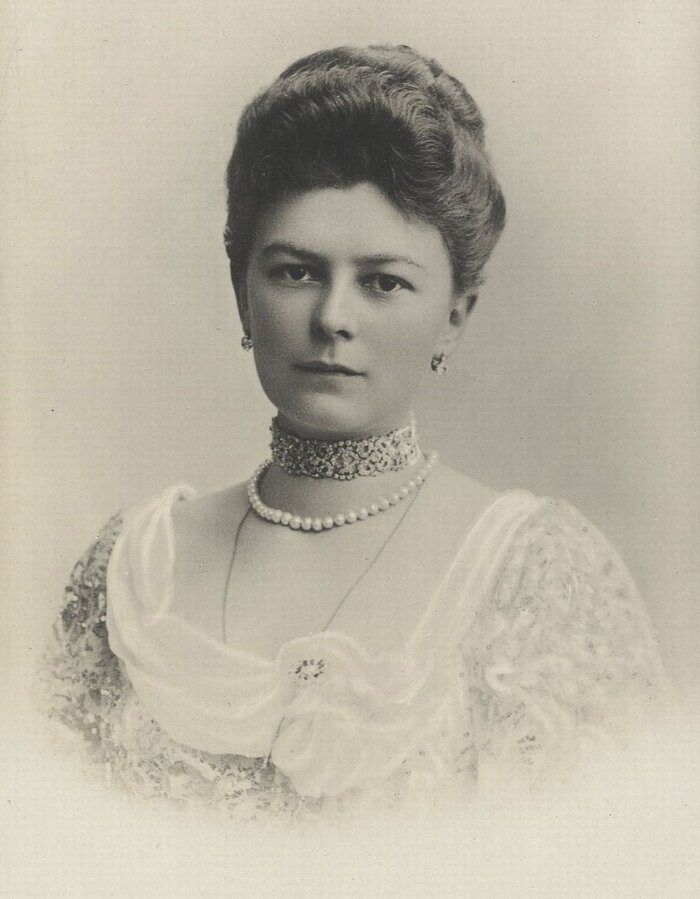
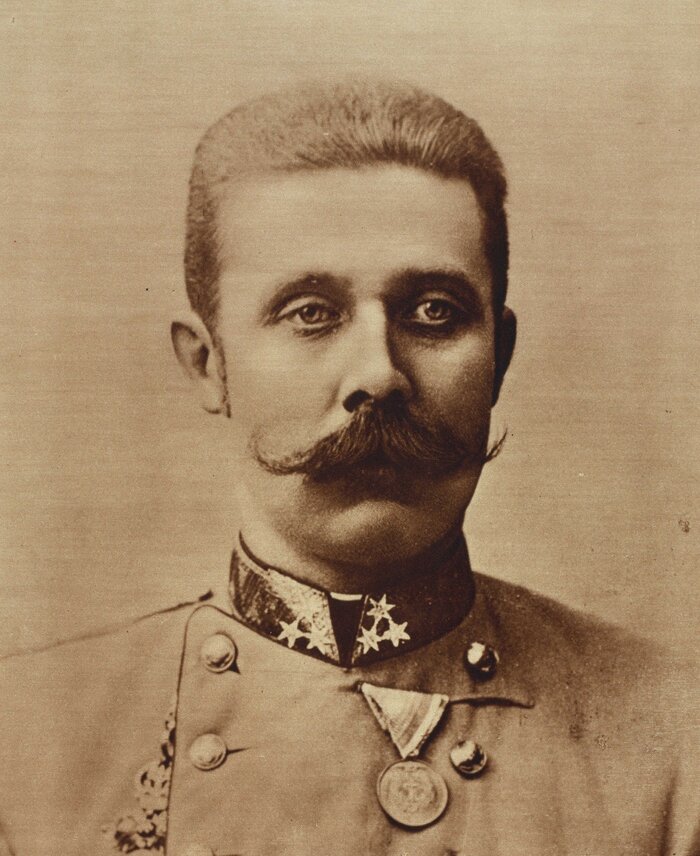
On June 23, 1914, Archduke Franz Ferdinand, the heir to the throne of the Austro-Hungarian Empire, and his wife, Sophie, the Duchess of Hohenberg, traveled to the Bosnian capital of Sarajevo. Ferdinand, the Inspector General of the Army, agreed to attend a series of military exercises in Bosnia-Herzegovina, which had only recently been annexed by the empire from the Ottoman Turks, against the wishes of neighboring Serbia, which also laid claim to the territory. The annexation fueled growing unrest across the Balkans, and especially Serbia.
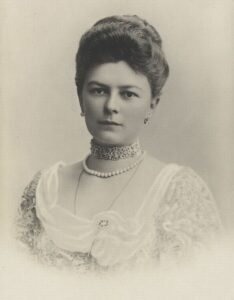
Upon learning of the impending visit, a Bosnian revolutionary group, the Young Bosnians, began plans to assassinate the Archduke. Several members traveled to Belgrade, where they received training and weapons from the Black Hand, a terrorist group with ties to the Serbian Army. Among the group were Gavrilo Princip, a failed soldier, and Nedeljko Cabrinovic. After receiving the weapons and training, the Young Bosnians returned to Sarajevo with further assistance of the Black Hand to facilitate smuggling the weapons across the border.
Despite the growing unrest and warnings that he should cancel the trip, the Archduke and his entourage traveled to Sarajevo on June 23. Ferdinand visited the military exercises while Sophie visited schools and orphanages. On a whim, the couple drove into town to visit the bazaars, attracting a large crowd of onlookers, apparently including Princip, but they were treated politely and greeted warmly by the populace.
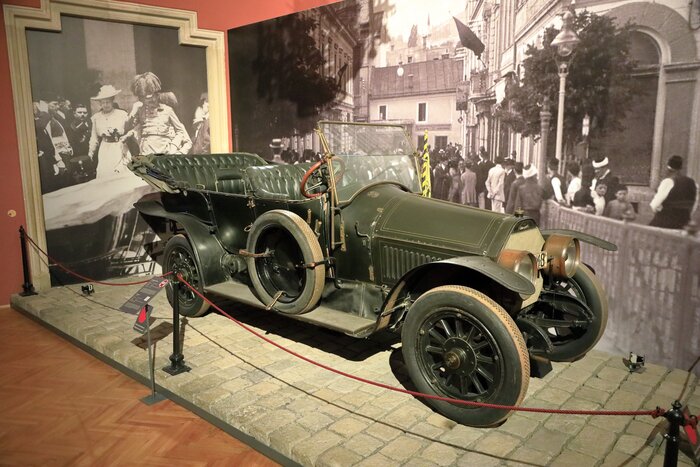
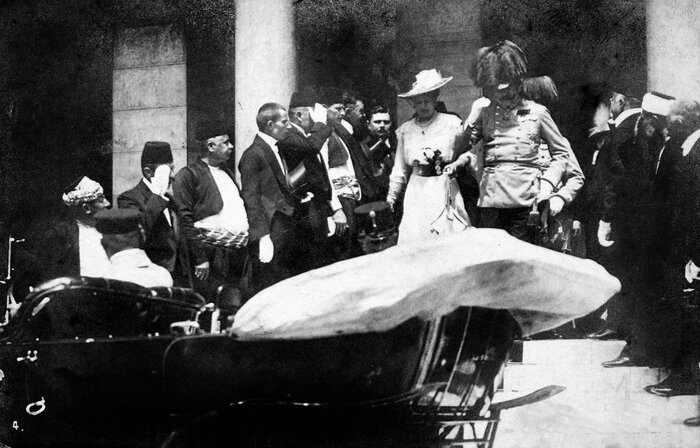
On June 28, the couple traveled into Sarajevo, where Sophie walked alongside her husband during an inspection of the troops. The couple then got into an open-top car for a motorcade ride to the city hall. The escorting cars were to carry specially trained security guards, but for some reason only one special guard was in attendance, along with several local policemen.
The Young Bosnians fanned out along the Appel Quay. The group knew that the motorcade would take this route along the Miljacka River, since the motorcade route had been published in advance. Cabrinovic hurled a bomb at the car carrying the royal couple, only to see it bounce off the rolled-up top and roll under the wrong vehicle. The bomb wounded two army officers and several bystanders but left the couple unharmed. Cabrinovic fled into the riverbed and attempted to kill himself before being apprehended. At least two other Young Bosnians were nearby but lost their nerve and did not press the attack.
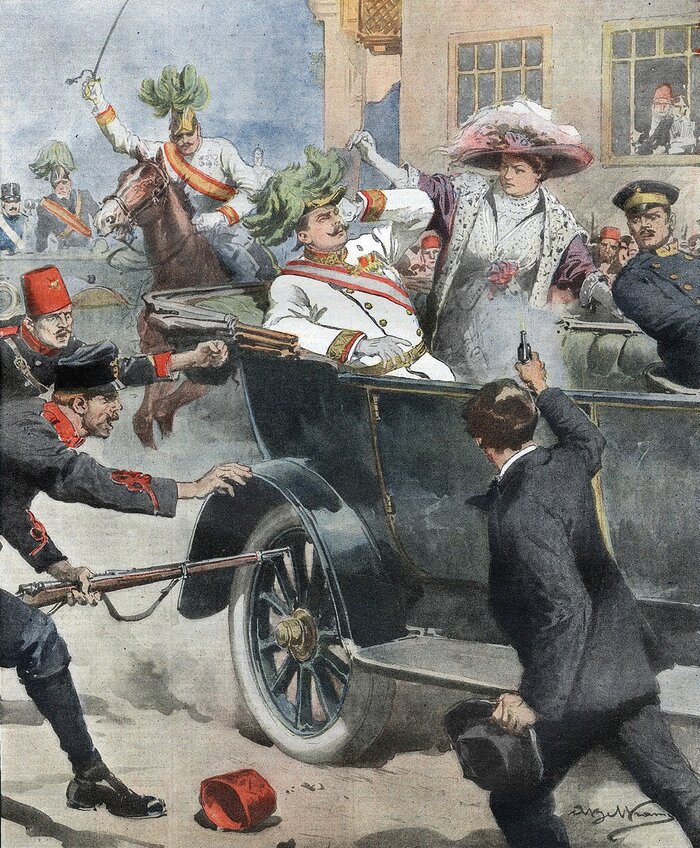
Despite the commotion, Ferdinand decided to press on to attend the events at city hall rather than flee the city. After the event, he visited the wounded officers in the hospital before departing. This time, the motorcade traveled at high speeds along the quay. However, the first three cars mistakenly turned down a side street, where they were constrained and slowed down. Princip happened to be in that location, and as the cars attempted to reverse out of the area, he fired two shots from point-blank range at the Archduke. Ferdinand was struck in the neck and as he lay dying, he pleaded for Sophie to stay alive for their children. Unfortunately, Sophie had also been struck in the abdomen, and both would die within minutes.
The assassination led to Austria-Hungary seeking punitive actions against Serbia and received support from Germany. The Empire sent Serbia an ultimatum, and eventually declared war on July 28, 1914, exactly a month after the assassination of the Archduke and his wife. Within days, allegiances and partnerships amongst European nations were activated. The fuse lit in June exploded into a war that would eventually kill upwards of 16 million people. World War I began with a pistol shot and ended with an armistice on the eleventh hour of the eleventh day of the eleventh month of 1918.
INTELLIGENCE ASSESSMENTS:
Most people know of the trenches along the Western Front in World War I. Few understand the absolute horror of life and death in those trenches. Some may also recall the disastrous campaigns in the East that eventually led to a revolution in Russia that overthrew the Tsar and ended that empire. Still others might remember how the British, encouraged by the determination of the First Sea Lord of the Admiralty, Winston Churchill, launched a failed and costly invasion against the Turks at Gallipoli. For most people, their understanding of WWI ends with these recollections, possibly enhanced by movies such as Gallipoli (1981), All Quiet on the Western Front (1930 and 2022), and the movie 1917 (2019). There are precious few films, books, or documentaries that discuss the war in Italy, and thus most people lack any knowledge of the Italian front (1915 – 1918), or the wars in the region that preceded WWI.
From the fall of Rome through the 18th century, Italy was occupied, fought over, annexed and ruled over by a succession of outside forces. Feudal European lords, Germans, Normans, and Muslims subjugated the peninsula. The Southern portion eventually fell under Papal rule, while the northern cities split to become independent states. In the south, France, Spain, and Austria vied for control of the region.
In 1792, the French successfully annexed the Italian Peninsula, clearing out the remnants of feudal rule. The new Republican state lasted only until the French were ousted by Austria in 1796, which precipitated the Napoleonic Wars and the unification of the country into the Italian Republic, later declared the Kingdom of Italy. When Napolean was defeated in 1814, the kingdom split once more into eight regions under foreign rule.
In 1815, the Risorgimento (Rising Again) movement under Mazzini and Garibaldi Giuseppe managed to conquer several cities and bring them under the rule of King Emmanuel II. The struggle for unification lasted many more years, with Rome and Venice initially opposed, until they joined in 1870, when the French army departed during the Franco-Prussian war. The Risorgimento movement eventually led to a unification of Italian states in 1861, and a national parliament declared Italy a kingdom with Emmanuel II as the monarch.
A fledgling country with aspirations of prominence, Italy looked for ways to compete with other European nations on the global stage. Despite their setbacks and costly wars around the world, the French, British, Austrians, and even the Russians were claiming territories and annexing entire countries into their spheres of influence. Italy looked for ways to expand its influence and create boundaries between the empires and itself. In 1911, Italy seized the opportunity to claim the territories of Tripolitania and Cyrenaic (modern Libya). Egypt to the east was under British control and France claimed the territories of Morocco, Tunisia, and Algeria to the West. However, the territory coveted by Italy was claimed by the Ottoman Empire, which led to the Italo-Turkish War (1911 – 1912).
The Italo-Turkish war saw the first use of modern weapons like the machine gun and airplane. Notably, the Italians flew the first ever airborne reconnaissance mission and dropped the first aerial bombs in 1911, years before such weaponry became commonplace. Likewise, the Turks were the first to shoot down an airplane, using rifles. The Italians also made use of the invention of wireless telegraphy, invented by Guglielmo Marconi, and established a network of wireless stations. However, the Italians misjudged the sentiment of the Muslim population of the region and ended up fighting both the Ottoman Turks and the local Berbers who were supported by the Turks.
The Italo-Turkish war ended after a series of massacres committed on both sides caught the attention of world leaders. In October 1912, the Treaty of Ouchy was signed, relegating control of Libya to Italy. The local population saw the departure of the Ottoman Turks as a betrayal and did not accept the treaty or Italian rule. The Greeks, Serbians, Bulgarians, and Romanians, seeing how Italy seemed to easily defeat the Turks, rebelled against Ottoman rule, leading to two Balkan Wars, 1912 and 1913. The treaty that ended the second Balkan War also saw the Ottomans losing all their remaining European territories and set in motion the territorial disputes and uprisings against the Austro-Hungarian Empire.
WWI and the Italian Dilemma:
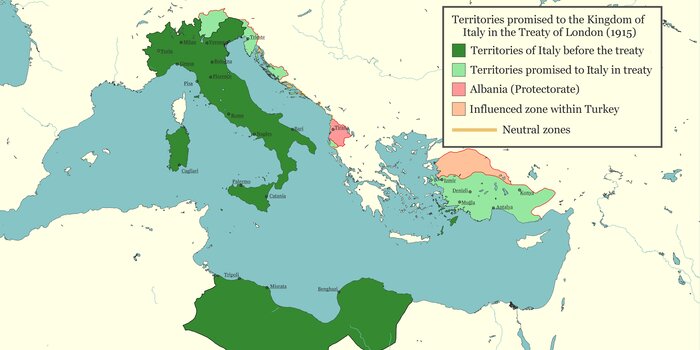
When the major European powers declared war and mobilized, Italy demurred. The Italian Parliament and populace were reluctant to enter a new war after fighting in Libya produced fewer territorial gains and prestige than hoped for. The Ottomans threw their lot in with Germany and Austria-Hungary, but Italy had no treaty entanglements. Both sides sought to bring Italy into the war on their side. Secret negotiations between England, France, Russia, and Italy resulted in Italy joining the war against Germany and Austria-Hungary in 1915. In the treaty, Italy was promised territories along the Adriatic, including Trieste, the Dalmatian coast, and other portions the Hapsburg Austro-Hungarian Empire.
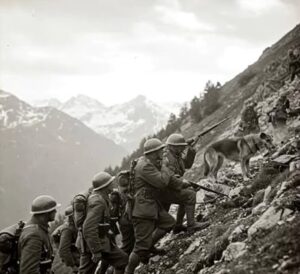
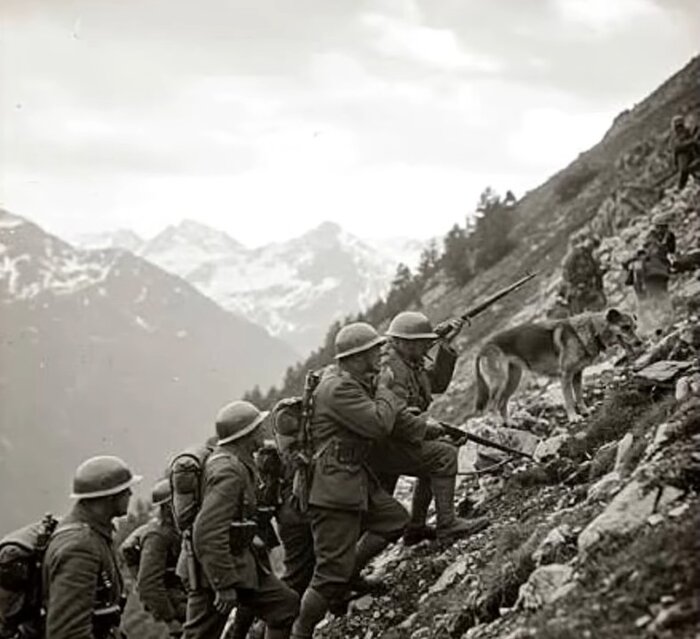
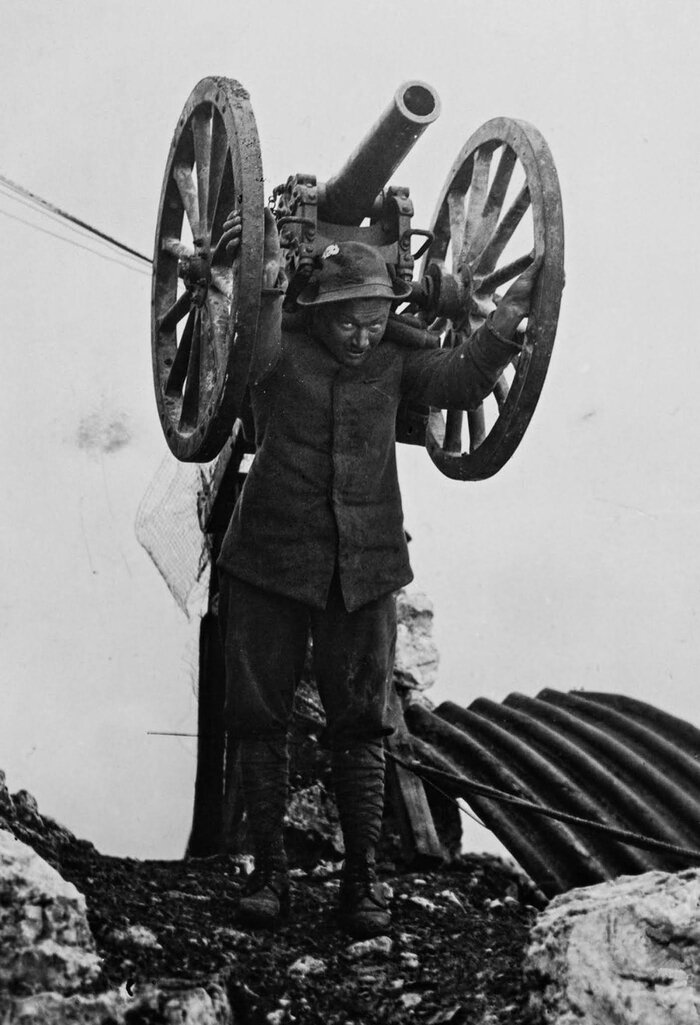
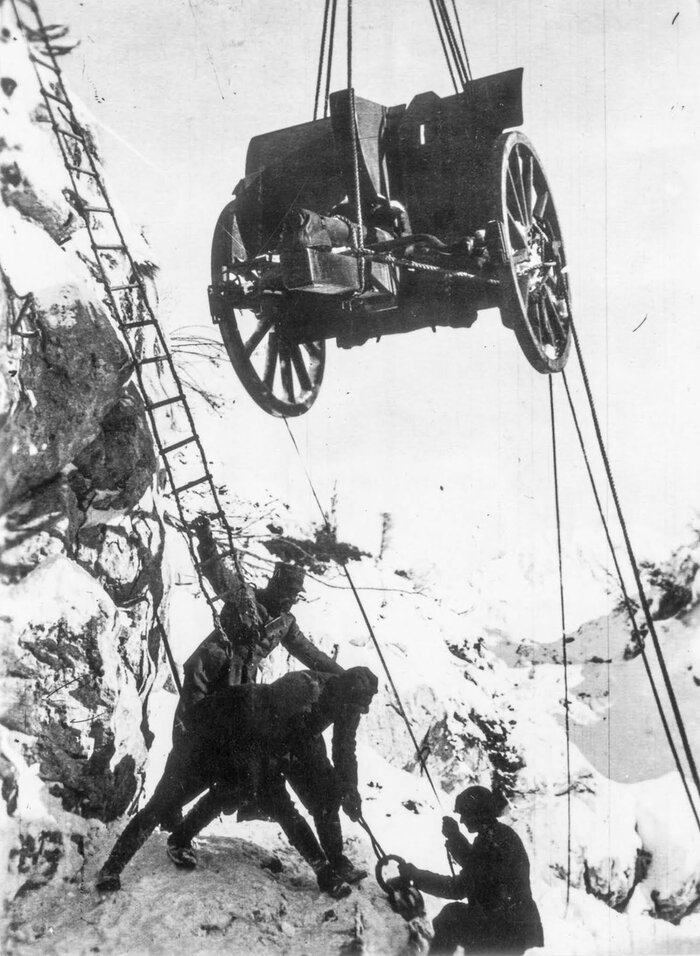
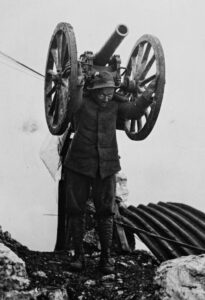
Austria-Hungary knew that negotiations with Italy were not going as planned and began fortifying their lines along the Italian borders soon after the war began in 1914. The new front stretched over 400 miles from Tyrol, across northern Italy in the Dolomites, and through Slovenia to the Adriatic. Most of the terrain was unsuited to large combat operations, though specialized mountain troops on both sides fought ferociously for control of mountaintops up to 10,000 feet high. Rather than trenches, soldiers dug massive tunnels and fortifications into the mountains, carried ammunition on their backs where mules refused, and used block and tackle to raise artillery pieces to the tops of ridges, all while under fire from the enemy on adjoining peaks doing the same.
The only region of the Italian front suited to large-scale combat was the karst plateau north of Trieste, along the Isonzo River. The Italians, under the command of the Italian Chief of Staff Luigi Cadorna, believed the Italian army could strike north and bypass the mountains to attack the Austrians in the rear. He was sadly mistaken and misjudged the terrain as the Austrians held higher ground with good views of the river valley. The karst, a type of terrain derived from limestone and quartz primarily, is dry, desolate, and prone to shatter into sharp shards and projectiles on impact of artillery. It is very hard to dig trenches and is imminently well-suited for defense. Additionally, the river valley was prone to flooding.
The first Battle of the Isonzo commenced on June 23, 1915, and lasted until July 7. The Italians, expecting an easy victory, failed to account for the defensive preparations made by the Austrians since 1914. For his part, Cadorna was committed to the philosophy of aggressive war, which was the same mindset prevalent in the French army of 1915. Emulating the French, Cadorna threw his soldiers at the lines time and again in the offensive, while the outnumbered Austrians were content to maintain a defensive posture. Despite a numerically superior force and over 200 artillery pieces, the Italians achieved only modest gains.
Eleven days after the first battle, Cadorna launched the second Battle of the Isonzo. This time, Cadorna increased the number of artillery pieces available but so had the Austrians. Between 18 July and 3 August, over 60,000 Italians and 45,000 Austro-Hungarian soldiers became casualties. The second battle achieved no more than the first had. Nevertheless, Cadorna remained committed to a policy of massed frontal attacks against well-prepared defensive positions.
Cadorna once again ordered additional artillery. For two months, new artillery pieces were brought forward and put into position. On October 18th, Cadorna launched the third Battle of the Isonzo. This time, Cadorna had over 1200 artillery pieces in place and took to heart some of the lessons of previous battles as well as those learned in the trenches of France. As the weather worsened, Cadorna sent his forces forward towards the town of Gorizia, attempting to break through the lines. However, the Italians spread their forces too thin across too broad a line of attack, seeking to overwhelm bridgeheads along the river. The Austrians still held the high ground, and the Italians were once again repulsed with tremendous losses.
Still, Cadorna remained determined to see victory. One week after the third battle ended in defeat, he launched the fourth on November 10th, the final battle of 1915. Again, the battle centered on the town of Gorizia and the karst plateau. After repeated attacks, the Italians made modest gains, penetrating a few miles into the Austro-Hungarian lines. The battle added another 115,000 casualties on the Italian side, and 72,000 on the Austrian side. The losses led Austria to request additional forces and assistance from her German allies.
The winter of 1915-16 saw a lull in the battles along the Isonzo River. Still, Luigi Cadorna remained defiant and determined to crush his opponent. Further, Cadorna was now under some pressure from the French commander, Joseph Jofre, to launch attacks to relieve the pressure on the French forces at Verdun. Although the Italians were hardly in position to launch a sustained offensive, Cadorna relented to the pressure and launched the fifth Battle of the Isonzo on March 9, 1916.
Once again, the primary objective of the attack was the town of Gorizia, but Cadorna also included attacks in other towns along the front. Despite continuing late winter weather and poor conditions, the Italians moved ahead. Once again, little was achieved and the attack was called off on March 17th. However, Cadorna noted new deployments of enemy along the lines and warned his army to prepare for their attack.
The attack came in May, led by Archduke Eugen’s third and eleventh armies. The Austrians initially made significant gains, but the attack soon stalled due to the ruggedness of the terrain. Attacks on the Russian front diverted Austrian attention and interrupted their supply lines, relieving the pressure on the Italians and allowing Cadorna time to regroup.
Cadorna used the pause to plan the next attack, the sixth Battle of the Isonzo. Launched on August 6th, once again aimed at Gorizia. Cadorna fielded 22 divisions against nine Austro-Hungarian divisions. Cadorna also made use of the rails to ferry his troops across the front and establish a bridgehead across the river. Gorizia fell to the Italians but at a cost of 51,000 casualties against 40,000 for the Austrians. It was following this battle that Italy finally declared war on the Austria-Hungary ally, Germany, on August 28, 1916.
The sixth Battle of the Isonzo was the high-water mark for the Italian army. Following the battle, Cadorna finally relented and changed from broad, frontal attacks to sharp, focused initiatives aimed at single objectives. However, his aggressive philosophy did not diminish and like on the Western Front, the Italians settled into a war of attrition against their enemy. Cadorna launched a seventh battle in September, an eighth in October, and a ninth Battle of the Isonzo in November 1916. None of these attacks resulted in any marked gains, they merely added to the slaughter.
Cadorna remained committed to the onslaught into 1917. Despite growing frustration of the troops and politicians, Cadorna never relented. Like many of his contemporaries in the French army, he believed in his own prowess and brilliance to the exclusion of all else and blamed the troops for failure to achieve victory. Over time, soldiers became demoralized and dispirited by the continued waste of life for no appreciable gains. Further, many of the Italian soldiers were little more than peasant laborers drafted into service, many of whom were illiterate and ignorant of any broad, worthy goals for their sacrifice.
For his part, Cadorna sanctioned placing machine guns behind his own troops to ensure their attacks and executed some 4000 whom he determined were deserters or cowards. He also instituted a system of selecting soldiers by lot for execution as a form of punishment and a warning to others against cowardice. The lottery system was officially outlawed in the Italian army, but Cadorna ignored this, and excused it by saying that it was common practice in other European armies. In this, he was correct, it was common in the French army upon which he modeled his own leadership. The system was dramatized in the 1957 Kirk Douglas film Paths of Glory.
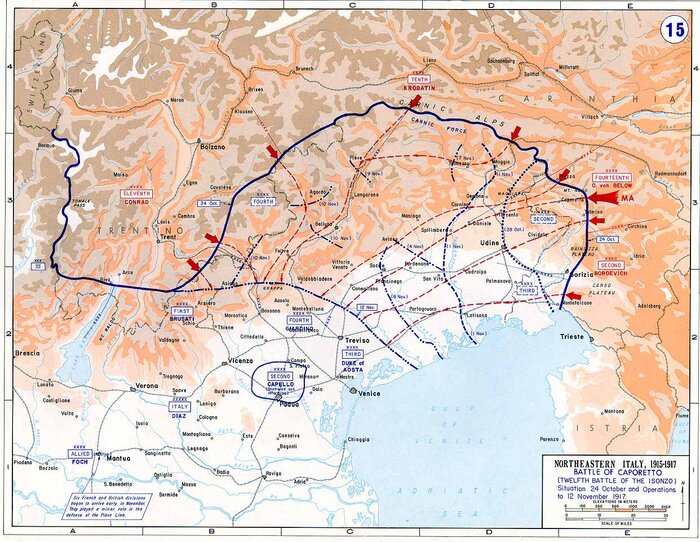
Cadorna launched the tenth Battle of the Isonzo in May 1917, sending 38 divisions against only 14 Austrian divisions. The tenth battle led to gains along the front, with the Italians nearly reaching Trieste before a counterattack by the Austrians recovered all the lost territory. Similarly, the eleventh battle in August produced little more than additional casualties. Between the two battles, the Italians recorded over 157,000 casualties. The Italian troops by this time were spent and demoralized all along the front.
In October 1917, Germany began reallocating forces from the Russian front while Russia fell into a revolution that led to the downfall of the Tsar. The added force bolstered Austrian resolve and provided the impetus to strike back at the Italians. After eleven successive attacks over the nearly two years of war, the combined German and Austro-Hungarian forces launched the twelfth Battle of the Isonzo on October 24th as part of a larger campaign all along the front intended to knock Italy out of the war.
The final battle of the Isonzo, known more commonly as the Battle of Caporetto, was a disaster of epic proportions for Italy. The Italian lines all along the front were overwhelmed and the army fell back in disarray. Years of futile effort had severely affected the army, which fell apart in many places along the front. Nine Austrian and six German divisions struck across the front in a surprise attack, quickly overwhelming the numerically superior Italians. The offensive included massed artillery, smoke for cover, and poison gas attacks. The Germans pushed the Italians back almost 25 kilometers in the first day alone.
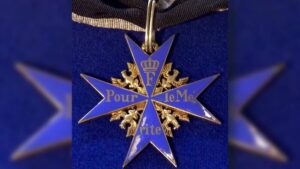
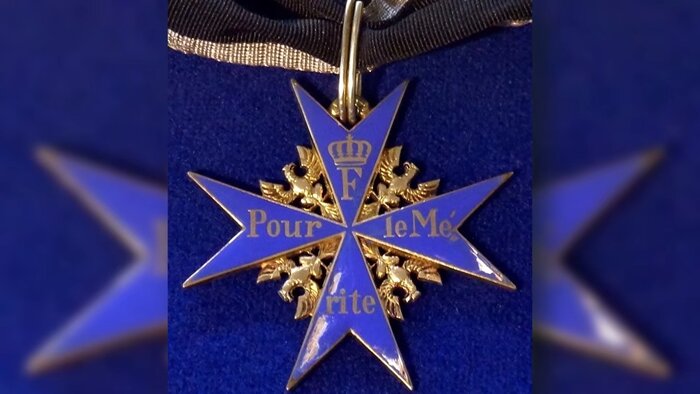
The enemy pressed the offensive, overrunning artillery positions and defensive emplacements. By November 10th, Austrian forces were on the outskirts of Venice. In the northern mountains, a twenty-six-year-old German lieutenant named Erwin Rommel earned the Pour le Merite (colloquially, the Blue Max) and his reputation by capturing some 9,000 Italian soldiers. During the battle, nearly all the Italian artillery was lost as well as over 300,000 Italians soldiers, nearly 90% of whom were taken prisoner. The Italian army fell back some 150 kilometers in the largest victory on any side during the war. The scale of the disaster led to Cadorna’s removal as well as a change in government.
Despite a change in government, Italy remained in the war. The Austrians attempted to follow up on the massive victory at Caporetto but lacked sufficient reserves. On the 1918 anniversary of the battle, the Italians launched a new offensive which regained much of the lost territory. The war in Italy continued with smaller battles and skirmishes until Italy finally achieved a breakthrough in November 1918. The Italians reached Trento and Trieste, and the centuries-old Austrian Hapsburg empire collapsed. The end of the war in Italy came on November 4, 1918, one week before the final cessation of hostilities in the Western Front.
Author’s Notes:
In September 2026, my wife and I traveled to Italy. We were there partly on vacation, and partly to conduct research on my WWII novel, Tommy’s War. We spent our time in Northeastern Italy, in the region from Trieste to Tarvisio. While visiting Trieste, we embarked on a side trip through small towns along the Adriatic coast. Over lunch, we pondered what to see next and saw a notation on the map for a military museum near the town of Gorizia.
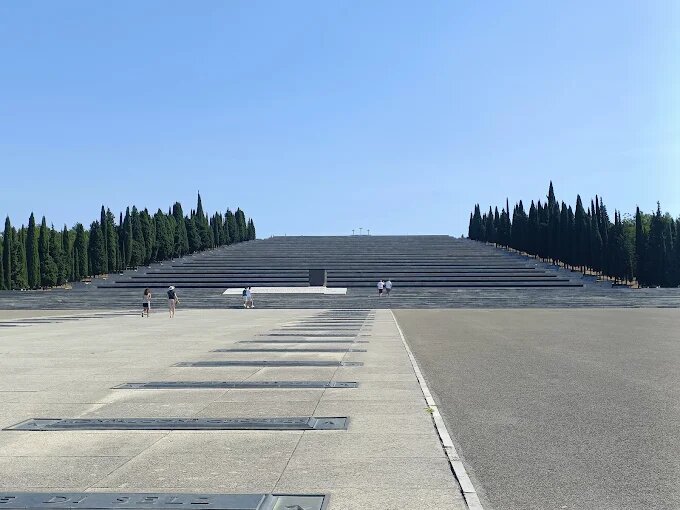
We were unprepared for the monument that awaited us in Gorizia. Stretching out and up the hill from the road, a wide marble pathway leads to what appears to be a pyramid, flanked by fire pots and topped by crosses. Climbing the pathway up to the monolith, we were struck by a series of unit memorials placed along the path. Each memorial designated an Italian formation from the Great War, or the La Grande Guerra.
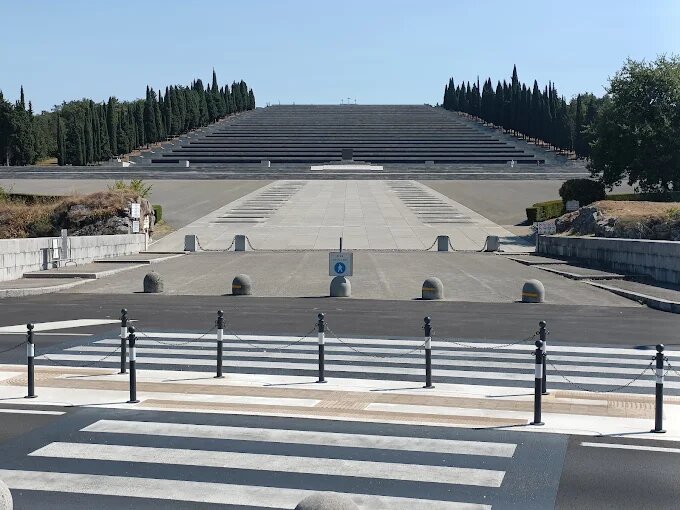
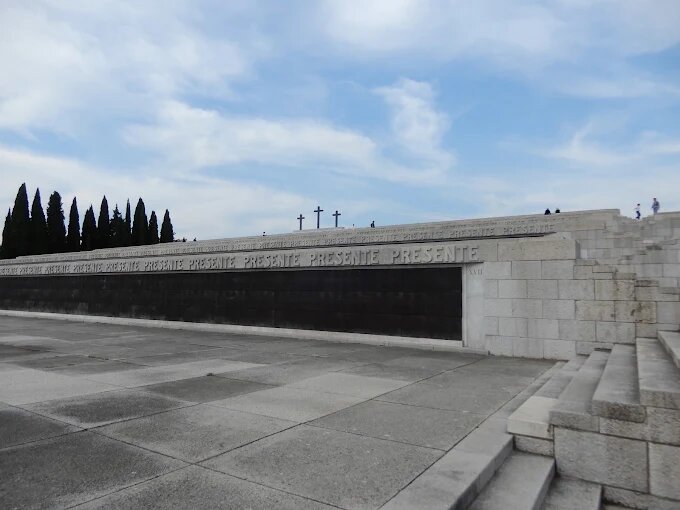
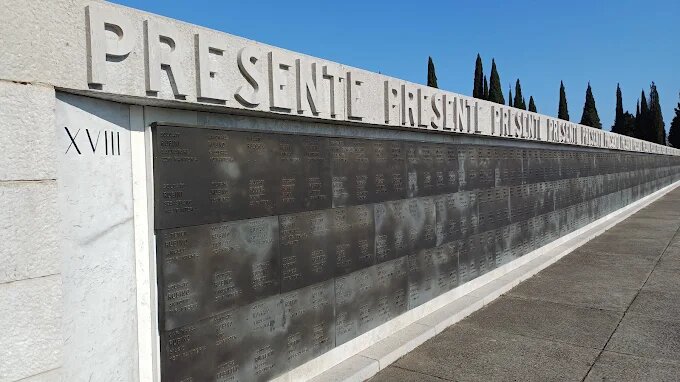
At the top of the pathway, a flat marble plain greets the visitor. Upon the parade field are three large blocks, each labeled for the comandante, or commander. Immediately, the eyes go to the stair-stepped marble rows that climb the hill. Each of the 22, 2.5-meter-high gray stairs is faced with a 12-meter-long black frontage containing the names, in alphabetical order, of Italian soldiers who fell on the Isonzo. Above the facing, along the stair, each is engraved with the word “Presente.” Chills ran up our spines as we realized the cemetery for what it is, the Italian soldiers forever entombed in this final formation, always present. They answered their nation’s call and fell on this field outside Gorizia.
Although I was there to research a different war. The awesomeness of the monument at Gorizia moved me. I admit that I was one of those whose knowledge of World War I was colored by a focus on the war in France, with only passing knowledge of the war in Italy, Africa, the Balkans, or on the high seas, beyond the Battle of Jutland and the use of U-boats in the Atlantic. Researching this newsletter was an eye-opening experience.
The horrors of trench warfare in France were not only replicated in Italy, but were made even more dangerous, if that is possible. Unlike the mud fields of France, the karst in Italy shatters upon impact, producing massive amounts of additional shrapnel to wound, maim, and kill soldiers. The plateau is hilly and open to the sun and weather coming off the Adriatic. In the winter, the plateau freezes, while in the summer, soldiers baked in triple-digit temperatures.
In the end, the war to end all wars ended with the dissolution of empires and a vengeful armistice to punish the aggressors in Germany and Austria. The victorious allies imposed punitive measures intended to disgrace the vanquished and eliminate their ability to wage war. The allies demanded extraordinary reparations and forced complete disarmament. The extreme measures, combined with economies ravaged by years of war created the environment for the rise of extreme ideas. In France, a German corporal named Hitler sought a scapegoat for what he saw as betrayal of the army. In Italy, an Italian corporal named Benito Mussolini began his quest for greatness and power because of his experience on the karst plateau.
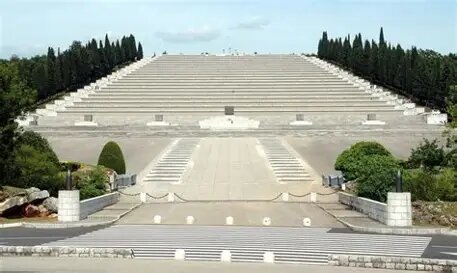
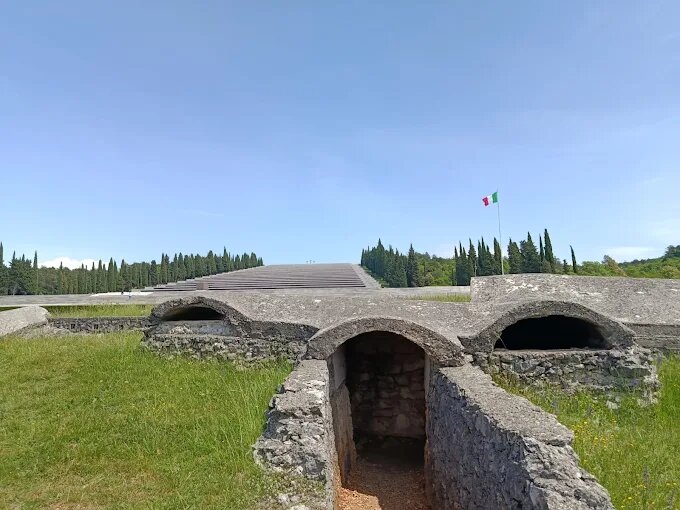
The Redipuglia Military Shrine was commissioned by Mussolini in 1935 and opened in 1938. The shrine is the largest war memorial in Italy. The monument itself holds the remains of 39,857 Italian soldiers who could be identified. Separate mass graves on the site hold an additional 60,000 soldiers who could not be identified. A 75-ton marble tomb on the parade field holds the remains of Prince Emanuele Fiberto, Duke of Aosta, the commander of the third army. He specifically requested that he be laid to rest on the site alongside his soldiers. The design spans the slopes of Monte Sei Busi. The three main levels are capped by three bronze crosses symbolizing an army descending from heaven and are meant to evoke Mount Calvary. A small chapel with the stations of the cross is contained at the crest of the hill, and two small museums containing artifacts, journals, letters, and personal items recovered from the battlefield are secreted on the reverse side, beneath the crosses.
CURRENT OPERATIONS UPDATE:
Killer’s Reign is complete! With the help of a professional editor, the manuscript really came to life and evolved into a much better story. Further, I am pleased to announce that I have signed with a literary agent – a significant step for any author. With his help, we will be marketing the book to major publishers for acceptance in 2027, with a planned release in 2028 if all goes well. Meanwhile, I am working on Tommy’s War, my World War II historical thriller and associated screenplay.
COMMUNICATIONS UPDATE:
I intend my monthly newsletters to provide more than just an update on my journey as an author. Certainly, my books and stories are the focus, but I also want to provide more than that. This month, in the spirit of Veterans’ Day (aka Armistice Day), I wanted to examine an often-overlooked part of WWI. In every conflict, there are dozens, even hundreds of stories of heroism, futility, slaughter, amazing victories, and horrible defeat. Those stories and the history represented fuel my writing journey and my imagination. Similarly, every news cycle presents new story ideas for my fertile imagination. Still, truth is stranger than fiction, and for most stories, I merely ask the “what if” question. My stories, Killer’s Reign, Tommy’s War, and Sleeper Cell draw on current events as well as my own experience. Although works of fiction, I strive to ensure that the events and characters are more than plausible and representative of real word events and scenarios.
Check my website regularly for more information about my books and stories, updates on current events, and interesting tidbits of intelligence.
This Veterans’ Day, remember all those who served.
https://gregsmithonline.com/
www.linkedin.com/in/gregmsmith17
https://amazon.com/author/gregmsmith
Stay Alert. Stay Informed. Stay Aware.