
Memorandum
Subject: The Persistent Threat
To: All Readers and Interested Parties
From: Greg Smith, Author
Date: 10 January 2026
BACKGROUND:
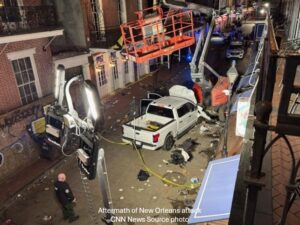
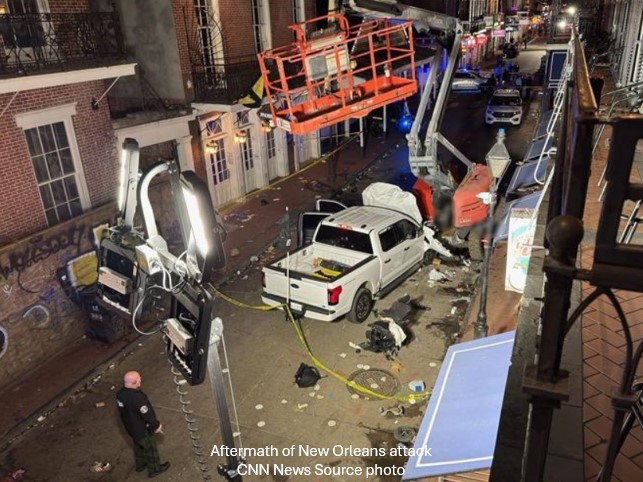
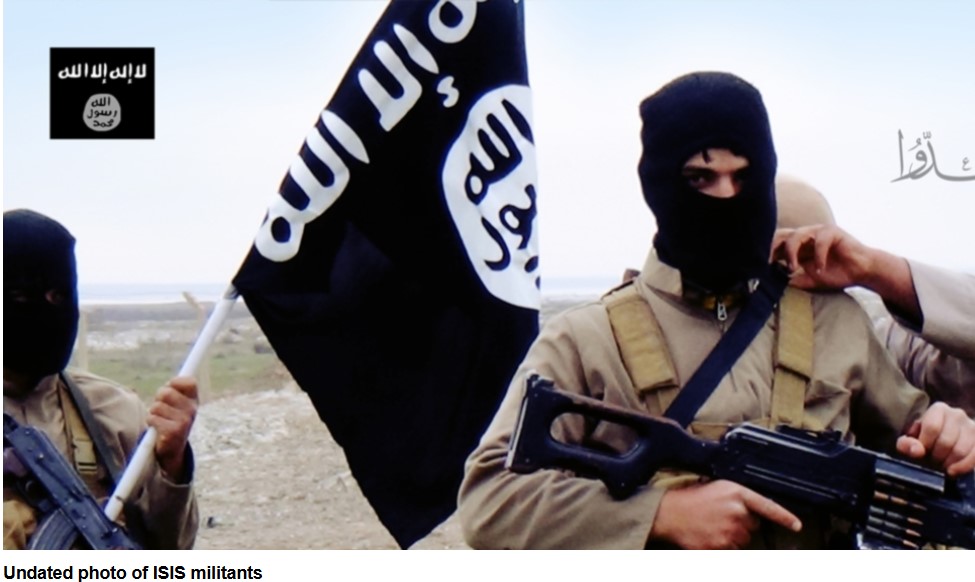
January 1, 2025, began with a terrorist incident in New Orleans. A former US Army soldier conducted a “lone wolf” attack by driving his pickup truck into the crowd on Bourbon Street during the early morning hours. When the truck became immobilized, he began firing a semiautomatic rifle into the crowd. The driver died in a firefight with New Orleans police. In his truck, police found improvised explosive devices and materials linking him to ISIS. Investigations revealed that the man had become radicalized via online chats and platforms.
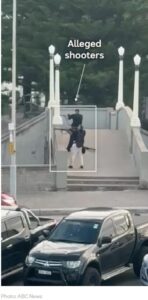
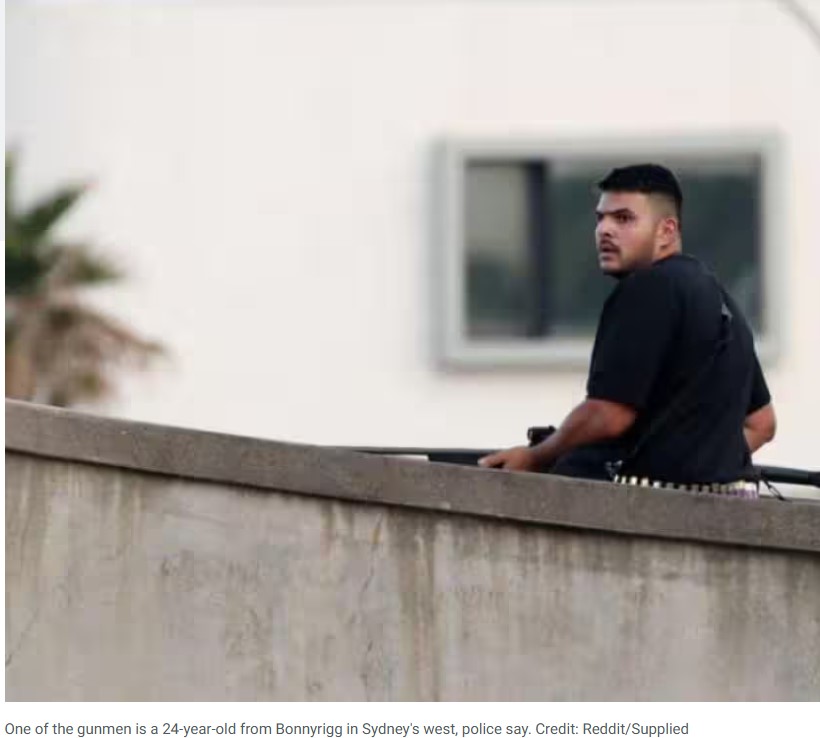
On Sunday, Dec 14, 2025, two men armed with rifles opened fire at a crowded Hannukah celebration in the resort town of Bondi Beach, Australia. The pair were father and son, both Pakistani immigrants with long ties to the local community. The attack killed at least sixteen and injured close to fifty people. Police found improvised explosive devices in their car during the subsequent investigation. If not for the heroic and decisive actions of a bystander disarming the younger assailant, the casualties could have been far worse. Australian authorities declared the incident a terror attack.
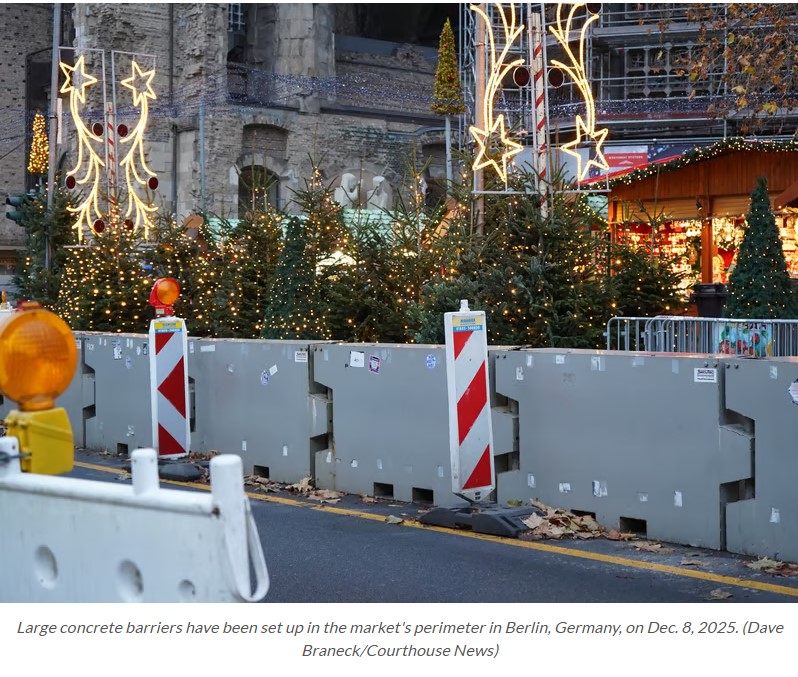
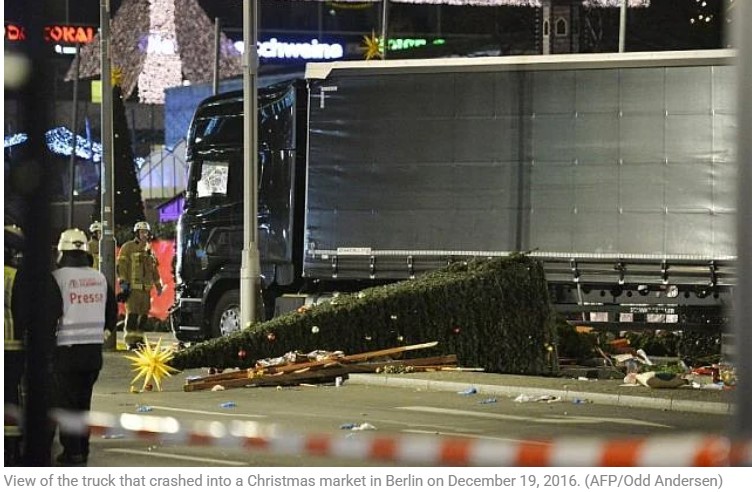
German police arrested five men in Southern Germany on Dec 14, 2025, accused of planning to attack a Christmas Market in a town near Munich. All five are immigrants from Morocco, Egypt, and Syria, aged 22 to 56. Reports indicate that the fifty-six-year-old Egyptian, an Imam at a local mosque, encouraged the others to execute a vehicle attack on the market. Their intent was to emulate similar attacks in Berlin in 2016 (nine dead, fifty injured) and Magdeburg in December 2024 (six dead). During the 2025 holiday season, rising security concerns and additional costs for protection led to the cancellation of Christmas markets in at least two German cities.
On Dec 15, 2025, in France, a woman was convicted and sentenced to eight years in prison for active involvement in terrorist activities supporting ISIS. Similarly, police arrested two others the same week and charged them with material support to ISIS. In the first instance, a young French woman became radicalized online after seeking a way to “purify” herself after a series of “traumatic events” in her life. The second, a nineteen-year-old male of Italian and Moroccan descent, pledged his support to ISIS in online forums. Evidence discovered in his possession pointed to planning an attack on police stations.
Between Nov 29 and Dec 27, 2025, Italian authorities arrested at least eleven people on terrorism charges. The arrests included the Imam of the Omar ibn-al Khattab mosque in Turin. On Dec 27, in Genoa, Italian authorities arrested nine men for providing financial support to Hamas through Non-Governmental Organizations (NGO) and charities. Notably, one of the nine, Mohammed Hannoun, is already under sanction from the US for active involvement in terrorism and is under investigation in terrorism cases in other countries.
On Dec 13, 2025, a man associated with the jihadist terror group Islamic State (ISIS) ambushed and killed two US soldiers and an interpreter in Syria. The shooter was a member of the Syrian security forces and slated for dismissal for extremist views. Tensions and conflict between the fledgling government and radical jihadist groups continue to drive violence in the country.
On Nov 28, 2025, in Washington, D.C., a former Afghan soldier with ties to the US military and CIA opened fire on National Guard soldiers. The attack killed one and severely injured another before the assailant died by return fire. The attacker was amongst the thousands evacuated from Kabul in August 2021. He acquired a gun and drove across country from Seattle to conduct the attack.
On Dec 15, 2025, the FBI announced the arrests of four members of a pro-Palestinian extremist group in Los Angeles. The men were allegedly planning coordinated bombing attacks at New Year’s Eve celebrations across Southern California. The group also allegedly planned to attack Immigration and Customs Enforcement (ICE) agents and vehicles, as well as Attorney General Pam Bondi.
On Dec 31, 2025, a terrorist plot in North Carolina was foiled by the FBI. Authorities arrested an 18-year-old man who was communicating online with people whom he believed were members of ISIS. He also met with an undercover FBI agent and provided detailed plans concerning a “lone wolf” attack on random people at a grocery store and a fast-food restaurant. Investigators found specific notes, weapons, and a Kevlar vest in his apartment. The suspect became radicalized like so many others, via online chats and videos linked to ISIS.
INTELLIGENCE ASSESSMENTS:

The Global War on Terror “officially” ended with the US withdrawal from Kabul, Afghanistan, on 21 August 2021. However, ideology does not recognize an end to the conflict, and the enemy always gets a vote. In Afghanistan, a resurgent Taliban continues to maintain close ties to al Qaeda and other terrorist groups despite ongoing border conflicts with Islamist radicals in neighboring Pakistan.
Throughout Asia, the Middle East, and Africa, splinter groups such as al-Shabaab, the Houthis, Islamic State of the Khorasan (ISI-K), Abu Sayyaf, and a host of others litter the globe. Larger groups focus on control over nations, such as in Sudan and Somalia, while others focus on enabling smaller attacks, including “lone wolf” attacks like those described above. Since at least 2021, splinter groups have maintained or increased communications and collaborations. Members even travel between groups, actively participating in operations or providing support, sharing intelligence information, finances, and tactics.
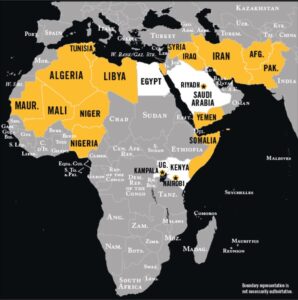
Radical Islamic jihad is certainly the largest driver of violence around the globe, but it is not the only source. Domestic terror in 2025 included two attempts to assassinate President Trump on the campaign trail, mass shootings at churches and schools, and the killing of conservative speaker Charlie Kirk in Utah. Political violence, personal attacks, and assassinations have existed since Cain slew his brother Abel. It is unlikely that the hatred and intolerance that drives people to such acts will end in 2026.
During the chaotic evacuation from Kabul in 2021, the US attempted to screen the thousands of Afghan refugees prior to evacuation. The rapid exit by US forces necessitated an expedited screening, which included minimal or no review of links, pasts, or political ties. The sheer volume of refugees precluded the in-depth vetting that would normally precede immigration to the US or any other country. Despite government audits afterwards, no firm estimate of how many evacuees may have had, or continue to have, links to radical ideology or terrorist organizations exists.
Since 2006, over 13,000 people on terror watchlists or suspected links to terrorist organizations have entered the US. Estimates vary widely across agencies, but all agree that dozens, if not hundreds, of potential terrorists entered the US between 2021 and 2025. Although none has yet been implicated in any terrorist event, silence does not equal inaction. A single recruiter can easily develop a terror cell and provide training and mentoring to the participants.
Western countries are particularly vulnerable to terrorist activities. Open and free societies depend on freedom of movement, freedom of speech, and freedom from persecution. These are fundamental principles and must be guarded zealously. Those who seek to undermine, destroy, or supplant Western culture take advantage of these freedoms and exploit the inherent vulnerability they create.
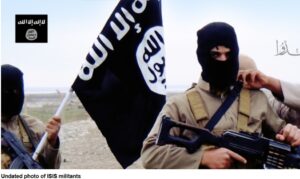
All radical operations, even at the individual level, also require financing. State sponsors provide funding, weapons, and training to larger groups like Al Shabab and Hamas. State sponsors rarely provide direct financial or operational support to “lone wolf” operators. Instead, states provide indirect support through access to networks, intelligence sharing, and communications. Nation states may leverage existing international trade and commerce to provide cover for personnel movement. States interested in fomenting chaos in the West, like China, also provide indirect support through international drug trafficking, smuggling, and money laundering.
Solo operations are more cost-effective, requiring neither state-level support nor substantial amounts of money. In most “lone wolf” attacks, the materials used are easily obtainable and inexpensive. In both Europe and the US, such attacks have included personal vehicles, rental vehicles, knives, hammers, homemade explosives, and other types of improvised weapons. Firearms are also easily obtained through underground sources, such as drug dealers or theft. Citizens and permanent legal residents purchase firearms through normal channels, despite the required background checks. Explosive devices used in these attacks are manufactured from easily obtainable materials. Hydrogen peroxide, ammonia, other cleaning materials, fertilizers, or even pressure cookers are available at home improvement stores, department stores, and even supermarkets.
In nearly all cases, the perpetrators of terror attacks in the West used the internet to facilitate their plans. The planners use internet sources to learn how to build bombs or to solicit help in planning. Perpetrators suffering from financial or personal hardships are particularly susceptible to exploitation. Online contacts exploit unrewarding (or no) employment, social isolation, perceived discrimination, and lack of purpose. Radical mentors leverage these vulnerabilities to foster hatred and discontent. Online radicalization of “lone wolf” actors always includes one or more of these vulnerabilities as well as active online mentoring.
OPERATIONAL CONSIDERATIONS:
There will be more potential attacks in the future. Online forums, news sites, chat rooms, and social media all thrive on negative stories. A cliché from the news industry, that “if it bleeds, it leads,” is far more apt now than ever. Sensationalism, blood, and hyperbole feed the never-ending cycle of destruction. Clicks and views lead to revenue and publicity, so there is a built-in bias for sensational stories. Algorithms built into all social media platforms feed off the users’ prior activity, adding more similar content to their feeds. In short order, the user enters a virtual echo chamber of their own making.
For any writer, truth is always stranger than fiction. Whether the story includes the abduction of a national leader (Venezuela), the bombing of nuclear sites on the other side of the globe (Iran), or the assassination of a vocal dissident through poison while walking the streets of London (Alexander Litvinenko), there is never a shortage of new stories that can inspire an author. In my first manuscript and screenplay, I used an over-the-road trucking firm to exploit vulnerabilities of the US transportation system to deliver a devastating attack. In recent months, that idea has gained credence through the revelation that thousands of truckers rolling on US highways are licensed through questionable sources.
Threats come in many forms and from many sources. I author novels that use terrorists in the role of antagonist because Islamic Jihad remains the most prevalent form of persistent threat around the globe. However, all forms of radical ideology and hate foster violence. All forms of hatred lead to ruin, whether the perpetrator is an Islamic jihadist, an environmental activist, an anti-religious zealot, an anti- (or pro-) life advocate, or even a college student convinced that those with a different view are evil and must die.
COMMUNICATIONS UPDATE:
My upcoming novel, Killer’s Reign, is back with the story editor for round two. The current version includes new scenes to provide better context for both the characters and the story. I also removed or revised scenes to add depth and to move the story along. I expect to have another round of edits to refine the story, after which I will be ready for publication. Meanwhile, I continue to develop my World War II thriller novel and rewrite my original Sleeper Cell manuscript to better reflect current events.
Please check my website regularly for more information about my books and stories, updates on current events, and interesting tidbits.