Memorandum
Subject: The Consequences of Kinetic Diplomacy
To: All Readers and Interested Parties
From: Greg Smith, Author
Date: 4 February 2026
BACKGROUND:
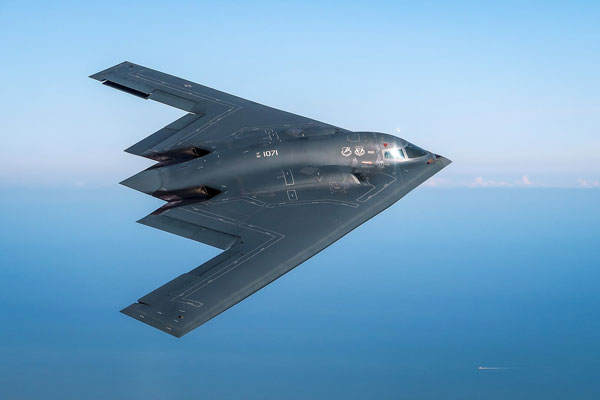
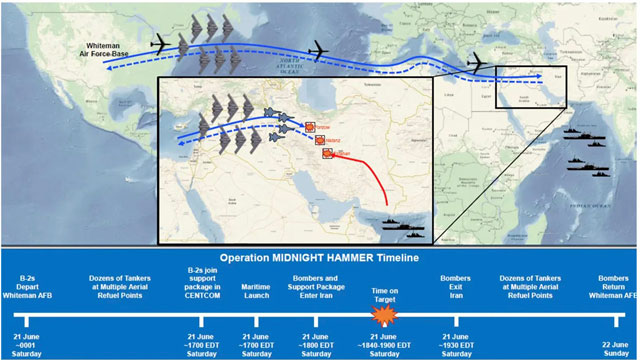
On June 22, 2025, US forces, augmented by Israeli Defense Forces, conducted Operation Midnight Hammer, a raid on suspected Iranian nuclear weapons sites. The attack consisted of sea-launched cruise missiles, fighter aircraft from both Israel and the US, drones, and B-2 bombers that flew a non-stop mission from Whiteman Air Force Base, Missouri. The entire mission lasted 37 hours, with the strike being conducted overnight.
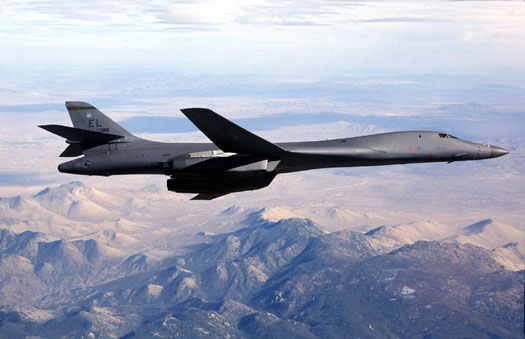
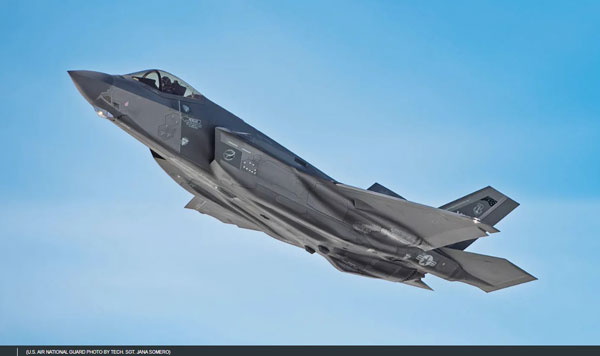
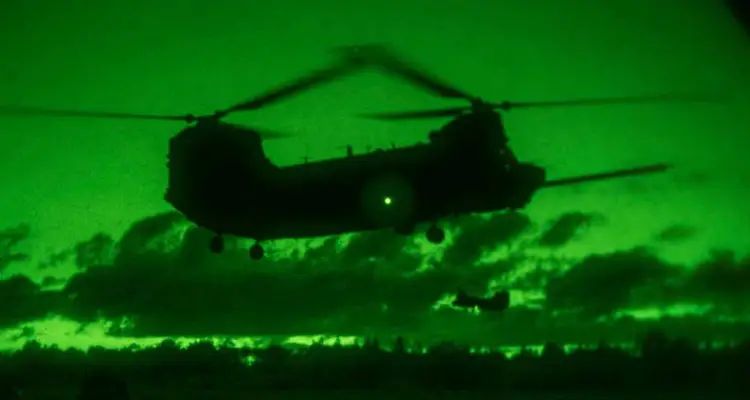
On January 3, 2026, US forces conducted Operation Absolute Resolve, an early morning raid to capture Venezuelan dictator Nicholas Maduro. Delta Force commandos executed the mission in spectacular fashion, capturing Maduro and his wife while sustaining only minor damage. No US service members were killed, and though seven were wounded, no wounds were critical. The mission was launched from an amphibious assault ship in the Caribbean and included electronic jamming aircraft, special operations helicopters, drones, fighters, and at least one B-1 bomber for support. The entire mission lasted approximately 2.5 hours.
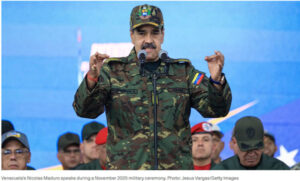
Both missions were executed to near flawless precision, achieving their main objectives without losing any US service members. Both missions were enabled by highly effective intelligence gathering prior to the assaults and exceptionally effective operational security. In Iran, Israeli agents helped to suppress Iranian air defenses and provided detailed information on specific sites and vulnerabilities. In Venezuela, the CIA reportedly recruited sources close to Maduro who provided detailed information on his movements, locations, and vulnerabilities. Undoubtedly, there were many intelligence agents, information gathering activities, tactics, and facets of the operations that remain classified.
Both Midnight Hammer and Absolute Resolve showcase the US military’s unparalleled capabilities. Given the logistics, planning, coordination, and timing required for either strike, it is extremely unlikely that any other nation could have performed these missions, much less to the degree demonstrated by the US. Both actions sent strong messages to potential adversaries and allies alike concerning US strength and resolve.
INTELLIGENCE ASSESSMENT & EFFECTS:
The final analysis of the combined effects of military action in Iran and Venezuela will not be written for several years. Most analysts and editorialists view these attacks as singular events with singular purposes. That perspective stems from the fact that, for the last 50 years, American Presidents have conducted raids or attacks as retribution or as limited responses to specific events. Since the advent of the cruise missile and even more so the armed drone, the US has relied on highly targeted, limited affairs involving few military members. The notable exceptions are Grenada (1983), Panama (1989), and Afghanistan (2002).
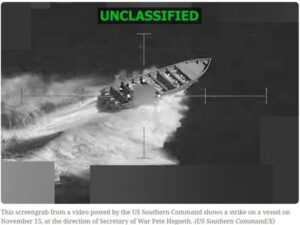
Analysis of kinetic actions, strikes, and raids conducted by US forces requires a more holistic approach than in previous Administrations. The current Administration has leveraged the military far more than in the past: seizing oil tankers on the high seas, destroying drug smuggling vessels, and conducting deep-interdiction missions. Although all the attacks and raids can be analyzed separately as stand-alone events, understanding the larger strategic narratives requires examining the actions through the lens of a larger foreign policy and as multiple layers of the same onion.
The current Administration is rarely as straightforward or singular in its actions. US policy initiatives use misdirection, deception, and subterfuge far more liberally than in most prior Administrations. The willingness to implement foreign policy decisions through kinetic means also contradicts decades of “normal” and “expected” US foreign policy activity.
Media outlets and media panel experts usually focus on one or two main ideas in their discussions and analysis. Stated objectives from the Administration usually contain some nuggets of the main objective, but there are always hints and statements that point to secondary or tertiary drivers for the actions. Examining each area and the foreign policy levers being pulled would require an in-depth analysis spanning many thousands of words and dozens of pages, which is out of scope for this effort. Instead, we focus on the messaging and consequences of implementing foreign policy through kinetic action. The consequences are both direct and indirect. Some consequences will undoubtedly be unintended, possibly also unwanted.
Reestablishing the Monroe Doctrine:

President James Monroe published the Monroe Doctrine in an 1823 address to Congress. At that time, emerging Latin American countries sought international recognition. America was still a young country, less than forty years removed from the Revolution. A second war with England, the War of 1812, had concluded less than ten years prior. The President was rightly concerned about European powers reasserting control or attempting to recolonize the region. The Doctrine applied three primary principles:
Non-colonization: the Americas were closed for European recolonization.
Non-intervention: European powers should not interfere in the affairs of the Western hemisphere.
Separate Spheres: the Americas and Europe should remain distinct political entities.
The Doctrine became the foundation of US foreign policy, influencing relations with both European countries and Latin America for decades. In 1904, probably because of the 1898 Spanish-American War, President Roosevelt added the Roosevelt Corollary to the Monroe Doctrine. His addition strengthened and extended the Monroe Doctrine, adding proactive clauses for US intervention. Roosevelt decreed that the US would step in to stabilize order, provide police power to curb wrongdoing, provide financial or military support to stabilize the region, or prevent instability. These changes effectively changed the previous Doctrine from a warning to a justification for US intervention.
The combined doctrine influenced US policy toward Latin America until Franklin Roosevelt implemented the “Good Neighbor” policy of hands-off. That view lasted through World War II. Following the war, the rise of communist dictatorships in Latin America, the harboring of accused war criminals, and the emergence of dictatorships unfriendly to the US caused the end of the hands-off policy. The US reasserted the previous doctrine and used both covert and overt means to influence Latin American affairs.
The US track record of intervention in Latin America is spotty at best. The US fought two named wars in Latin America: The Mexican-American War (1846-48) and the Spanish-American War (1898). The US also participated in several interventions and conflicts in the early twentieth Century, collectively known as the “Banana Wars.” These included intervention in Cuba (1906-09 and 1917-22) and Nicaragua in 1912.
During the Cold War with the Soviet Union, the US intervened militarily in Haiti (1965), Grenada (1983), and Panama in 1989. The US also funded and supported various groups friendly to the US. These operations, funded largely through the CIA, included the Bay of Pigs (Cuba, 1961) and a successful coup in Guatemala in 1954. President Reagan also provided covert funding and arms in both El Salvador and Nicaragua in the 1980’s.
Apart from anti-drug operations in Mexico and Colombia by the US Drug Enforcement Administration (DEA), the US has largely relied on political and economic influence in the region. That changed in 2025, with the identification of drug cartels as foreign terrorist organizations. With that designation, drug smugglers, cartel members, financiers, and especially cartel leaders, suddenly became legitimate military targets.
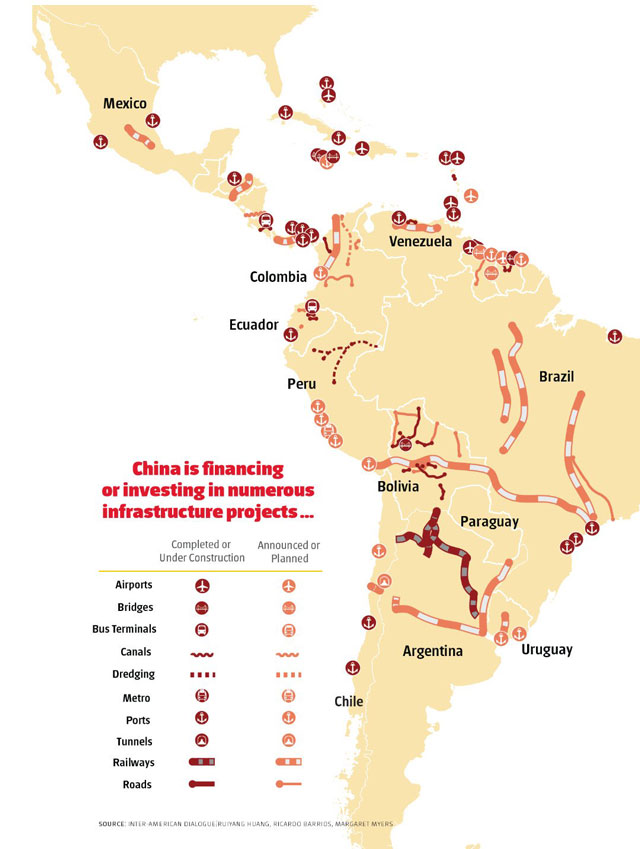
Russia and China have strong ties to Venezuela and throughout Latin America. Both are adversarial to the US and use economic power to secure free access into the region. Both also purchase oil from Venezuela. Further, China provides financial and direct assistance to infrastructure development through its “Belt and Road Initiative.” These investments provide strategic locations, ports, and airfields, as well as proximity to the US in the event of war. Such access is part of the larger plan to isolate and encircle the US.

Iran is also a key customer of Venezuela and provides weapons in exchange for access. The Iranian Republican Guard Corps (IRGC) maintains a physical presence in the country, as do Hamas and Hezbollah, which are both supported by the IRGC. The IRGC even built a drone manufacturing plant in the country and uses its access to facilitate the transport of people, weapons, and money to support terror cells and operations in the region and globally. The Iranian drone plant was a secondary target that was attacked during Operation Absolute Resolve.
Lastly, Cuba is highly dependent upon Venezuela. Oil and money flow into Cuba to prop up the regime. In exchange, Cuba provides military personnel. Maduro’s personal guard was reportedly composed of Cuban Special Forces troops. Media reports indicate that at least 75 Cuban troops were killed during the raid.
The message for potential adversaries is that the US will not shy away from enforcing the Monroe Doctrine and Roosevelt Corollary. Despite years of ignoring Latin America, the region is once again seen as strategically vital to US national security. By actively employing the military to enforce the policy, the US signals to adversaries like China, Russia, and Iran that their efforts will not go unchallenged. At the time of the raid in Caracas, a Chinese delegation was on the ground to negotiate additional access and sales of military equipment. Likewise, one of the oil tankers seized by the US after the raid was reflagged Russian while underway and escorted by a Russian submarine. The precision lethality of the US military provides clear and unambiguous demonstrations to any potential adversary.
The unintended consequences of US actions will be revealed over time. However, invoking the Monroe Doctrine may have an interesting impact: by reiterating the idea of spheres of control, the US may have given our adversaries license to claim similar spheres. Russia may conclude that Eastern Europe, including Ukraine and potentially other former Soviet or Warsaw Pact states, falls under its sphere. Likewise, China may conclude that Asia and the Pacific, including Taiwan, Indonesia, Thailand, and all of Korea, fall within its sphere of control. Iran probably also believes it should control the Middle East, but their regime is currently on the verge of economic and cultural collapse and would be challenged by Saudi Arabia and other nations in the region with ties to the US.
Another consequence of US military actions will be the change in the strategic and tactical direction of adversaries. Iran will probably move its support to terror groups further underground and into a more dispersed organization. Their primary outlets, Hamas, Hezbollah, and the Houthis, are all significantly degraded through wars in Israel, Syria, and Yemen. Iran is in economic distress now, with runaway inflation, severe water shortages, ongoing embargoes, and cultural uprisings. Operation Midnight Hammer demonstrated that a close relationship between Israel and the US is both very effective and very dangerous to the regime. Even if the regime survives, its ability to directly engage in the near term is severely degraded.
Russia and China will both examine the tactical precision, lethality, and professionalism of the US military operations. The complete failure of the Russian and Chinese air defenses was visibly demonstrated. Neither country has the global reach or capability to conduct similar operations to anywhere near the degree of lethality and effectiveness of the US, nor to perform at the same scale logistically. Russia remains embroiled in Ukraine and is feeling some impact from embargoes and a quagmire of a conflict. However, if they can extricate themselves from the conflict, they will have the opportunity to rebuild their military and retool their training to compete more directly with the US.
China trails the US in stealth technology and tactical precision. However, they have become deeply ingrained in political, military, and corporate espionage. Chinese students train at the highest levels in US and Western universities, and serve in defense corporations, political think tanks, and economic consulting firms. Dozens of Chinese have been arrested, charged, deported, or convicted for spying, theft of secrets, and soliciting citizens to participate in espionage in the US and other Western countries. The Chinese Communist Party will continue to use our freedoms against us to steal secrets and will certainly use the lessons in future weapons programs. They currently hold a dominant position in shipbuilding and drone development, and are rapidly catching up with missiles, stealth, and hypersonic technology.

Drug cartels and those who provide cover and support to them have also been placed on notice. The US, through direct attacks on smuggling boats and seizures of oil tankers, demonstrated a willingness to directly target vessels. The raid on Maduro very clearly showed that once targeted, no drug lord or cartel leader should consider themselves safe. They will probably seek to enhance operational security, establish new smuggling routes, and increase operational activity within the US. Thousands of cartel members flooded into the US between 2021 and 2025 thanks to lax border enforcement. In some areas, like rural northern California and parts of the rural Midwest, cartel operations like illegal marijuana farming, production and distribution of methamphetamine, and organized theft rings have taken hold. Expect to see more crime in rural areas linked to cartels at some level, while leaders go deeper underground.
Our allies also perceived direct and indirect messages from US military activity. The Administration has been very clear that NATO needs to take greater control of its own defense and that the US will remain the predominant power in the West (if not globally). The Administration has stated a goal to create a “Golden Dome” missile defense system for North America, and to do so requires access to the far northern Arctic, namely Greenland. This is effectively the Trump Corollary to the Monroe Doctrine, extending the principles to US dominance in the Arctic.
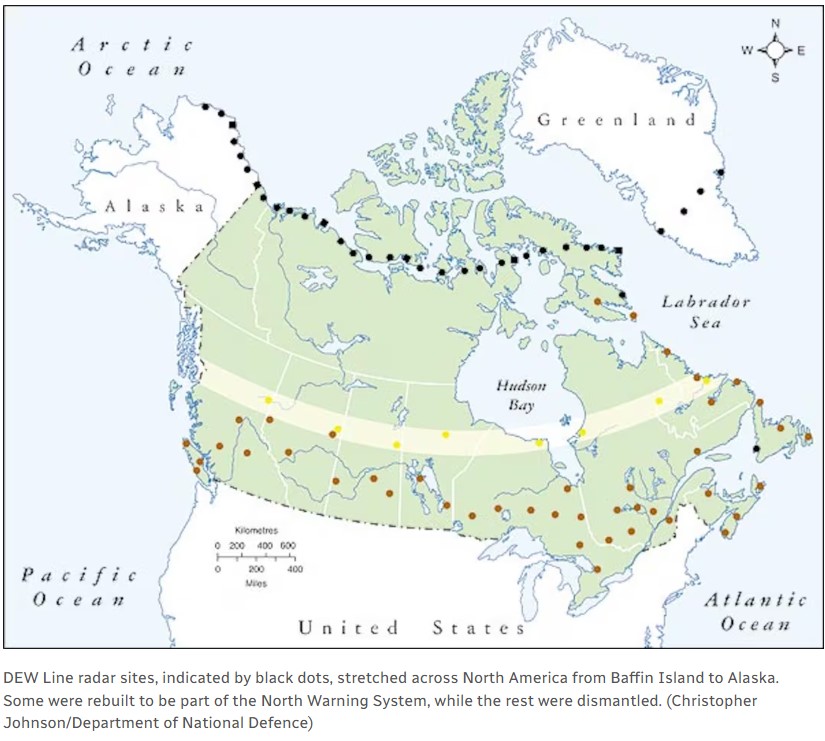
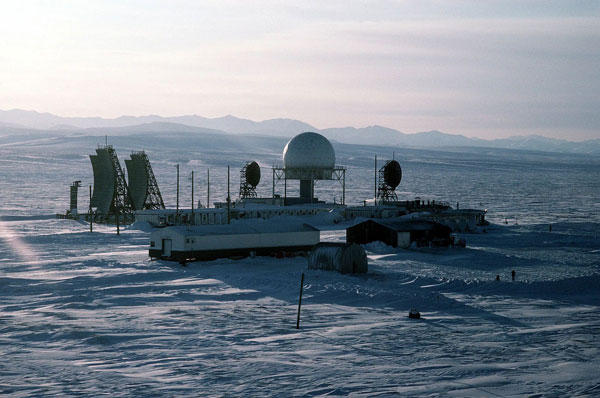
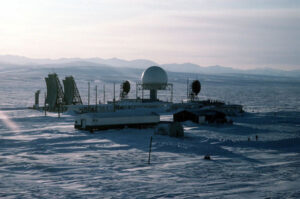
Greenland and the Arctic in general have been key to future conflict since the dawn of the nuclear age. The shortest distance from mainland Russia or China to US bases and cities is via the Arctic. During the Cold War, the US and Canada collaborated through the North American Air Defense Command (NORAD) to build a series of radar stations and missile detection systems stretching from Alaska to Greenland, called the Distant Early Warning (DEW) line. Though the DEW line is long retired, the far north remains critical to early detection of incoming missiles. The Arctic is also vital for managing the emerging space domain.
Russian and Chinese forces have been very active in the Arctic over the last several years. In addition to missiles, control of the Arctic means control of the Atlantic and access to both Europe and North America. Russia has a fleet of about 55 icebreakers, and China has embarked on a massive building program to expand its fleet of five. The US has only one heavy and one research icebreaker, assigned to the US Coast Guard. The US Navy has no icebreakers.
It is very unlikely that the US will invade or purchase Greenland. Instead, expect that Denmark, as the “owner” of Greenland, and NATO both come to the table with positive moves toward greater security for the territory. The US will likely gain greater access to the island, increase direct financial support, add more bases, and gain greater control over the island’s future. NATO will likely commit to additional security measures and adopt a more active defense posture in Greenland.
NATO will also rethink its positions on Greenland and the Arctic. NATO will likely begin regular rotations and/or basing of troops on the island as a message of support to Denmark, the NATO alliance, and the US. The US will commit to providing additional resources, funding, support, and other increased security commitments to NATO, possibly even bringing them into the “Golden Dome” program.
Canada will be next in line for US pressure to defend the Arctic. Canada will feel pressure to strengthen the defense of its northern reaches and increase its defense commitments. In return, the US will support the construction of facilities and increase its defense commitments to cover Canada. There will be negotiations before the US brings Canada completely into the “Golden Dome” program.
OPERATIONAL CONSIDERATIONS:
For every action, there are equal and opposite reactions, or at least that is Newton’s Third Law of Motion. The same applies in politics and foreign policy. Some reactions are measured, predictable, and welcome. Others are unpredictable, done in secret, or unanticipated. For every action, there is always a series of unintended consequences that reveal themselves over time.
The US has typically been reluctant to enforce foreign policy through kinetic means. The current Administration has rewritten the rules and overturned decades of “traditional” foreign policy. One cliché about the US president is that he should be taken seriously, but not always literally. Although many public statements and pronouncements may contain a germ of truth, the bombastic, over-the-top nature of public comments and social media postings tends to alienate consumers, the media, and foreign policy “experts.” Too often, such pundits focus on the words used rather than the hidden messages behind such statements. They also fall into the trap of being overwhelmed and so distracted that they fail to see where the Administration is already working on other projects.
COMMUNICATIONS UPDATE:
I expect the latest editor input for my upcoming novel, Killer’s Reign, back within a few days. I fully expect additional questions and clarifications, but I am proud of the manuscript so far. I have added new scenes and provided better context for both the characters and the story. I expect to be ready for publication very soon. Meanwhile, I continue developing my World War II thriller novel and rewriting my original Sleeper Cell manuscript to better reflect current events.
Please check my website regularly for more information about my books and stories, updates on current events, and interesting tidbits.