

Memorandum
Subject: 22 Souls
To: All Readers and Interested Parties
From: Greg Smith, Author
Date: 15 December 2025
BACKGROUND:
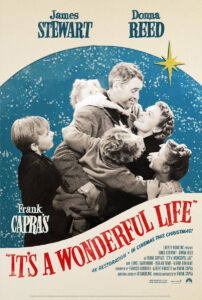 On Jan 7, 1946, one of the most beloved and iconic holiday-themed movies was released by Liberty Films. The movie “It’s a Wonderful Life” featured James Stewart as George Bailey in what he would later call his favorite role. In a pivotal scene, George Bailey is seen at a bar amid a panic attack and mental breakdown. Tears stream from his eyes and Stewart evokes the mental anguish of the character. The script did not call for tears. Stewart’s emotions were real, raw, and recent. Although not a huge economic success, the film was nominated for five Oscars, including Best Actor, Best Director (Frank Capra), and Best Picture.
The movie began production in the days following the end of World War II and was Stewart’s first film after returning from the conflict. Stewart was a squadron commander and flew more than twenty missions in B-24 Liberator bombers over Europe from 1943-45. He saw first-hand the devastating effects of combat and likely had to send men off that never returned. Stewart’s emotional response and connection with the character of George Bailey was clear and direct.
 The film “The Best Years of Our Lives,” released in 1947, was an early attempt to show the effects of long-term stress and combat on the psyche of the service member. That movie follows the lives of three men, all from different backgrounds, different branches of service, just back from the war. It may be the first time that a film portrayed, in an understandable way, the condition we now call Post Traumatic Stress Disorder (PTSD). The film was true to life, raw, and touched audiences emotionally. It won seven Oscars, including Best Picture, Best Director (William Wyler), Best Screenplay, and Best Actor (Frederick March).
INTELLIGENCE ASSESSMENTS:
PTSD was not recognized as an official diagnosis until 1980. Terms like combat stress, combat psychosis, combat fatigue, shell shock, and cowardice were commonly used to describe this condition. The neuroses was seen as a sign of weakness, or weak character. General George Patton once infamously slapped a soldier at a hospital in Sicily who was suffering from what doctors today would call PTSD. Patton accused the man of cowardice. What most don’t realize is that Patton slapped a second soldier a week later for the same reason.
 During the more than twenty-year Global War on Terror, over one million men and women served in the military. All of them were volunteers, and many saw time in the combat zones of Iraq, Afghanistan, Africa, and Asia. Similarly, millions of people volunteered to support troops as contractors in the combat zone, most often in logistics support but also in security operations. Everyone who participated returned home changed in some way. The rate of diagnosed PTSD skyrocketed. The stigma remained.
Medical providers and the military health-care system were ill-equipped to handle the influx. Rates of associated conditions like Attention Deficit Hyperactivity Disorder, Obstructive Sleep Apnea, Major Depressive Disorder became common diagnoses that also may indicate or even exacerbate PTSD. Large numbers of PTSD sufferers denied their issues, held it in, or tried in vain to “walk it off” or “suck it up.” Many resorted to self-medicating. Alcohol abuse, drug abuse, domestic violence, and divorce rates skyrocketed. Far too many resorted to suicide.
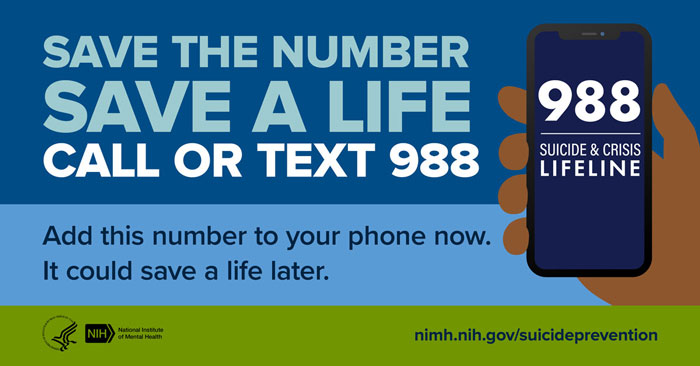
Doctors are quick to prescribe drugs for each diagnosable condition. Critics cite these methods as quick fixes that not only provide no cure but can enhance suicidal thoughts. On December 4th, a former Marine committed suicide in the parking lot of a Veterans Administration Hospital in San Antoinio, Texas. It was the second such suicide that occurred at that facility in 2025. Every day, even to this day, it is estimated that twenty-two veterans end their life through suicide. Twenty-two souls who volunteered to serve and fight for their country felt so forgotten, abandoned, or untreated they did what they thought was their only remaining option, and killed themselves.
At no point during the last twenty-plus years of conflict did more than one percent of the US population serve in uniform. Altogether, only around ten percent of the population are veterans. Every day, one thousand World War II vets pass away. Every day, twenty-two more GWOT vets take their own lives.
God bless all their souls.
COMMUNICATIONS UPDATE:
Check my website regularly for more information about my books and stories, updates on current events, and interesting tidbits of intelligence.